All American Technologies / Journal
Unlocking Success in the Home & Garden, Furniture Stores, and Home Decor Industries

The world of Home & Garden, Furniture Stores, and Home Decor is vibrant, dynamic, and full of opportunities. As consumer preferences evolve, entrepreneurs and established businesses alike must adapt to stay ahead of the competition. Central to this adaptation is understanding the nuances of market trends, supply chain management, branding, and customer engagement. Among the many innovative concepts impacting this industry, the term "teebaud pad" stands out as an intriguing yet underexplored element that may symbolize emerging trends or specific niche innovations. This comprehensive guide will delve into these sectors, elucidate strategies for success, and explore the potential significance of teebaud pad as a catalyst for growth and differentiation.
Understanding the Landscape of Home & Garden, Furniture, and Home Decor Business
The Home & Garden industry encompasses a diverse range of products and services focused on enhancing living spaces, outdoor environments, and aesthetic appeal. The sector is characterized by:
- Interior and exterior design
- Furniture manufacturing and retail
- Home improvement products
- Garden accessories and equipment
- Decorative items such as artwork, textiles, and lighting
Conversely, Furniture Stores focus solely on retailing various furnishings—from contemporary pieces to classic designs—that cater to different tastes, budgets, and interior themes. The importance of innovative display strategies, e-commerce development, and personalized customer services is paramount.
The Home Decor category complements these sectors by providing aesthetic accessories, wall art, textiles, and decorative accents that empower consumers to personalize their living spaces. Integration of these categories creates a synergistic ecosystem where style and functionality meet.
Emerging Trends Shaping the Industry
The industry is continually transformed by technological advances, lifestyle shifts, and sustainability concerns. Here are some of the most influential trends:
1. Sustainability and Eco-Friendly Materials
Growing consumer awareness about environmental impact has led to increased demand for sustainable products. Reclaimed wood, biodegradable textiles, and non-toxic paints are now standard offerings that appeal to eco-conscious buyers.
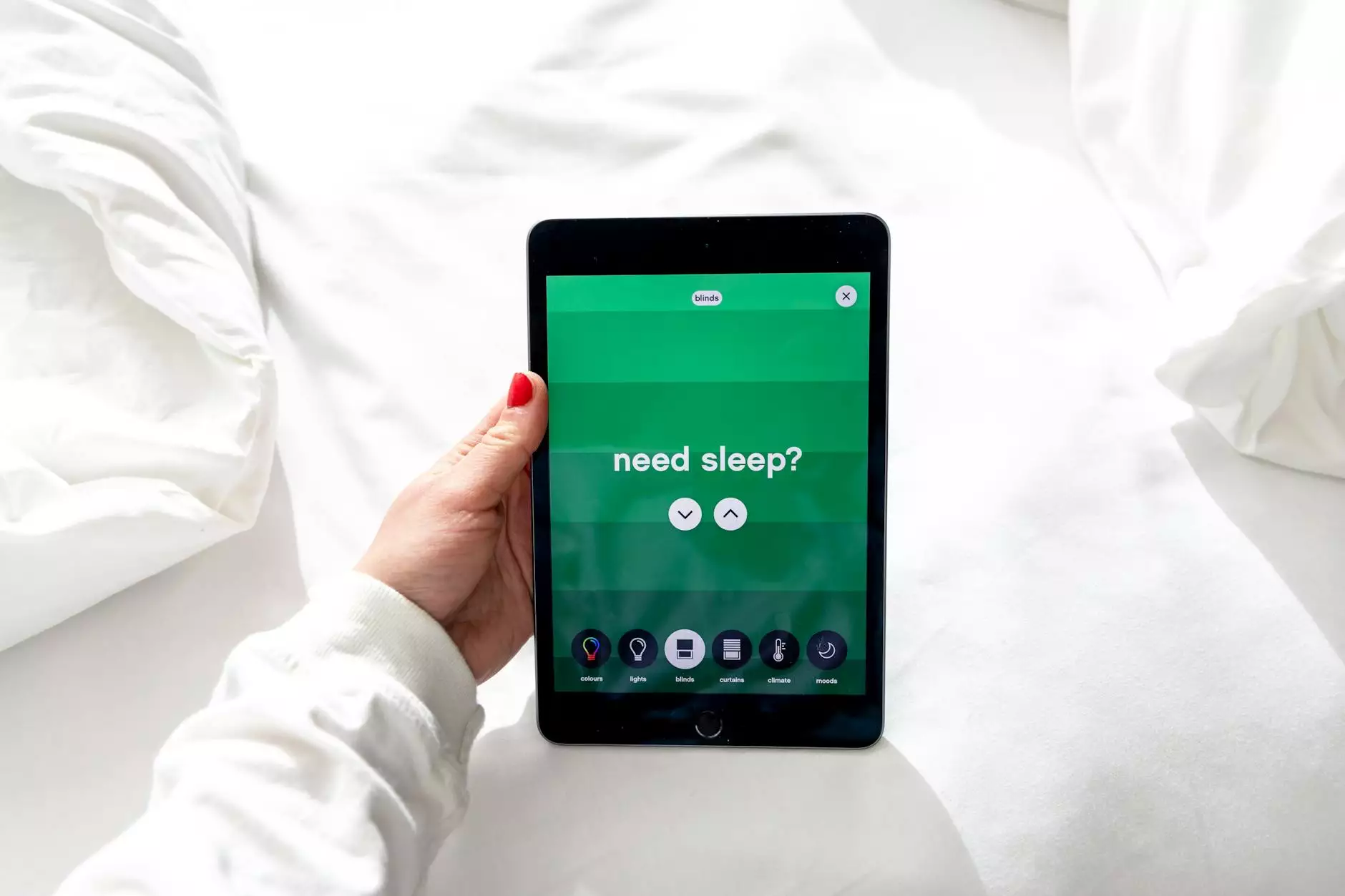
2. Smart Home Technology Integration
Incorporating smart devices, automated lighting, and climate control into furniture and decor enhances convenience and energy efficiency, appealing particularly to tech-savvy consumers.
3. Customization and Personalization
The ability to tailor products to individual tastes—through modular furniture, bespoke textiles, and personalized decor—is boosting customer satisfaction and brand loyalty.
4. E-commerce and Virtual Showrooms
The pandemic accelerated online purchasing, with virtual reality and augmented reality tools providing immersive shopping experiences that bridge the gap between physical and digital retail.
5. Minimalism and Multi-Functionality
Space-efficient, multi-purpose furniture suits urban lifestyles, emphasizing sleek designs, hidden storage, and adaptability.
The Mysterious "teebaud pad": Potential Significance and Market Opportunities
The term "teebaud pad" appears to be an obscure phrase within the context of the industry, yet it may symbolize innovative concepts or niche market segments. While its exact meaning remains elusive, we can explore its possible interpretations and relevance:
- Innovative Product Category: It could refer to a new type of furniture, decor accessory, or smart device designed for modern living.
- Niche Market Segment: Perhaps it targets a specific demographic—such as eco-conscious urban dwellers or minimalist enthusiasts.
- Brand Name or Trademark: It might represent a proprietary product line or a branding concept aimed at creating differentiation.
- Terminology for a Design Philosophy: It could embody an aesthetic or functional design ethos emphasizing simplicity, comfort, or innovation.
Regardless of its literal interpretation, embracing innovative concepts like "teebaud pad" can be crucial for businesses seeking to stand out. Developing unique offerings, branding stories, or product designs aligned with emerging trends can position companies at the forefront of this evolving market.
Strategies to Leverage "teebaud pad" for Business Growth
To capitalize on opportunities associated with "teebaud pad" or similar innovative concepts, businesses should consider strategic approaches that enhance visibility, consumer engagement, and product differentiation:
1. Market Research and Trend Analysis
Conduct comprehensive research to identify consumer needs, preferences, and gaps within the market. Understanding emerging terminologies and concepts allows businesses to tailor their offerings proactively.
2. Product Development and Innovation
Incorporate innovative features, materials, and designs into product lines. For example, if "teebaud pad" relates to a specific functional element, develop prototypes that emphasize its benefits and unique qualities.
3. Branding and Storytelling
Create compelling narratives around your products—highlighting their innovative aspects, eco-friendly features, or cultural significance. Use storytelling to foster emotional connections and brand loyalty.
4. Digital Marketing and Content Strategy
Utilize SEO-optimized content, social media campaigns, and influencer collaborations to reach target audiences. Present "teebaud pad" as a revolutionary concept that enhances modern living.
5. Partnerships and Collaborations
Collaborate with designers, materials suppliers, and technology firms to develop cutting-edge products and expand market reach.
Optimizing Your Business for Success in the Industry
Effective optimization involves a comprehensive approach that combines quality product offerings, outstanding customer service, and strong online presence. Key practices include:
- Enhanced E-commerce Platforms: Investing in user-friendly, visually appealing websites with detailed product pages.
- Search Engine Optimization (SEO): Creating keyword-rich content that positions your business favorably on Google and other search engines.
- Content Marketing: Publishing blogs, tutorials, and product showcases that educate and inspire consumers.
- Customer Engagement: Employing personalized communication, reviews, and loyalty programs to build trust and repeat business.
- Supply Chain Efficiency: Ensuring reliable sourcing, timely delivery, and quality control to uphold brand reputation.
Conclusion: Embracing Innovation and Trends for Sustainable Growth
The Home & Garden, Furniture Stores, and Home Decor markets are inherently dynamic, requiring agility, innovation, and a keen eye on evolving consumer preferences. Ideas like "teebaud pad" epitomize the spirit of innovation that can differentiate a brand and stimulate growth.
By actively engaging in market research, embracing sustainability, leveraging advanced technology, and crafting compelling narratives around unique concepts, businesses can secure a competitive edge. Remember, in this constantly changing landscape, the most successful companies are those that anticipate and shape trends rather than follow them.
For enterprises keen to thrive and expand within this industry, focusing on continuous innovation, strategic branding, and customer-centric approaches will ensure long-term success and market leadership.
Explore further opportunities at interlaid.co.uk to discover how integrating these strategies and concepts can revolutionize your business in the vibrant world of Home & Garden, Furniture, and Home Decor.