All American Technologies / Journal
Understanding **Security and Surveillance Systems**: A Deep Dive into Protection Solutions
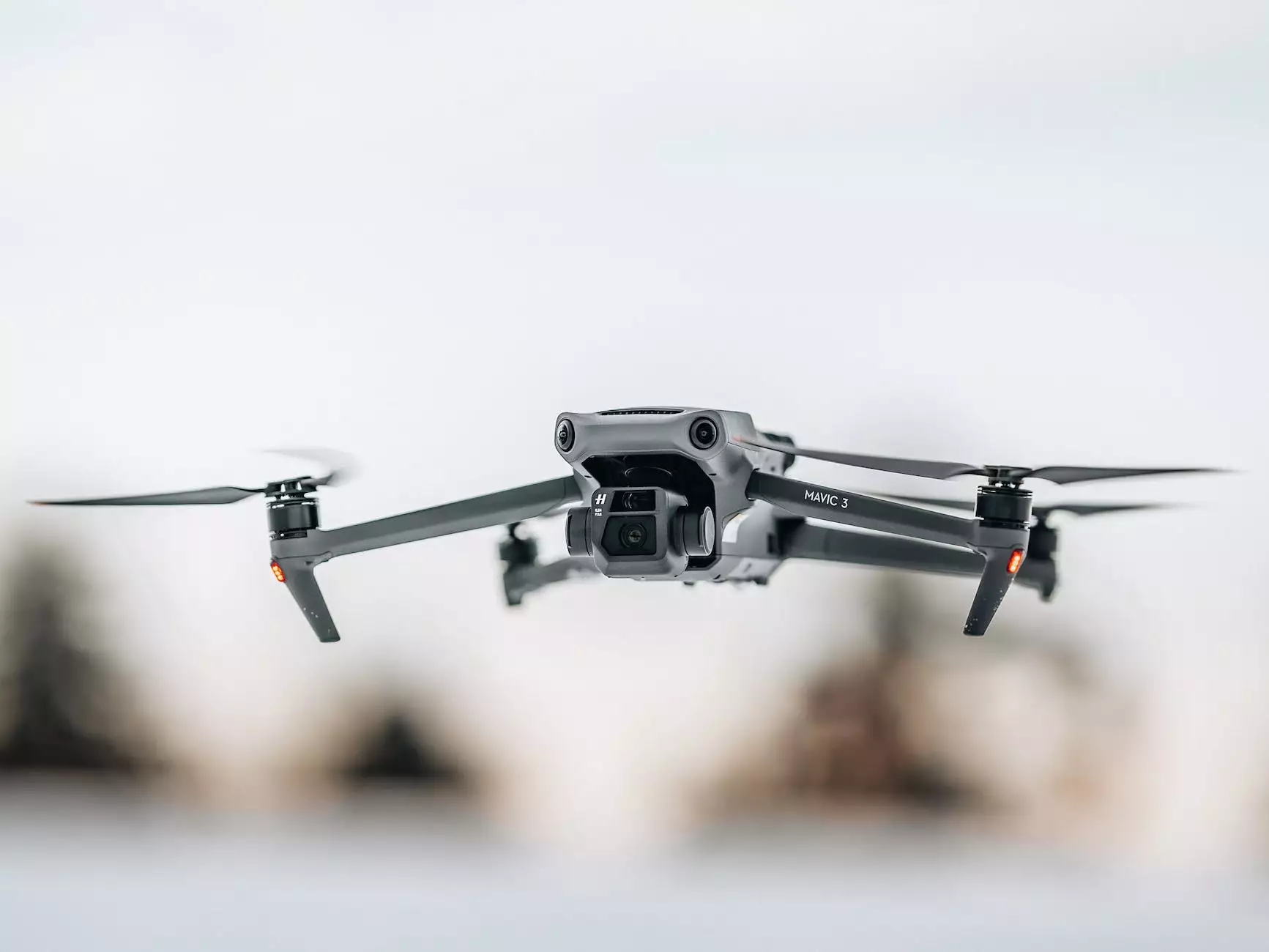
In an increasingly interconnected world, the need for security and surveillance systems has never been more critical. Organizations and individuals alike are recognizing the importance of protecting their assets and ensuring safety in their environments. This comprehensive guide aims to explore the intricacies of these systems, providing you with valuable insights to make informed decisions when it comes to security solutions.
The Importance of Security and Surveillance Systems
Every day, businesses and homes face a myriad of security threats. From theft and vandalism to corporate espionage, the risks are diverse and ever-evolving. Security and surveillance systems serve as a proactive measure to mitigate these threats. Here are some key reasons why investing in such systems is imperative:
- Deterrence of Criminal Activity: Visible cameras and security measures can deter potential criminals from targeting your property.
- Real-Time Monitoring: Modern systems allow for 24/7 monitoring, enabling immediate response to any suspicious activity.
- Evidence Collection: In the unfortunate event of a crime, surveillance footage can serve as critical evidence for investigations.
- Insurance Benefits: Many insurance providers offer discounts for properties equipped with robust security systems, leading to long-term savings.
Types of Security and Surveillance Systems
Understanding the different types of security and surveillance systems is essential for selecting the right solution for your specific needs. Here’s a detailed overview:
CCTV Systems
Closed-circuit television (CCTV) systems are among the most common forms of surveillance. These systems consist of cameras that transmit video feeds to a designated monitor or recording device. Innovations have led to the development of:
- Analog CCTV Cameras: Traditional cameras that provide basic surveillance capabilities.
- IP Cameras: Internet Protocol cameras that offer higher resolution and additional features like remote access.
- Dome Cameras: Equipped with a dome casing, these cameras provide discreet surveillance and are less tamper-proof.
Access Control Systems
These systems manage who can enter a facility or specific areas within it. They can range from simple keys to advanced biometric scanners:
- Keypad Entry: A basic yet effective method requiring a numerical code for access.
- Card Readers: Employees or authorized personnel use ID cards for entry, streamlining access management.
- Biometrics: Cutting-edge technology that utilizes unique biological traits—like fingerprints or facial recognition—for secured access.
Alarm Systems
Alarm systems are designed to alert property owners and authorities of unauthorized access or emergencies:
- Burglar Alarms: Triggered by unauthorized entry attempts, notifying the authorities of a potential break-in.
- Fire Alarms: Detect smoke or fire and alert occupants and emergency services.
- Intruder Alarms: Use motion detectors and glass break sensors to ensure comprehensive protection.
Technological Innovations in Security and Surveillance
The field of security and surveillance systems is rapidly evolving, thanks to technological advancements. Some key innovations include:
Smart Surveillance Systems
Smart cameras equipped with artificial intelligence (AI) can recognize faces, analyze behaviors, and alert personnel to unusual activity. Such capabilities enhance security measures significantly.
Cloud-Based Security Solutions
Storing surveillance footage in the cloud allows for easy access from anywhere in the world. This technology also facilitates automatic backups, ensuring that critical footage is never lost.
Integration with IoT Devices
The Internet of Things (IoT) allows various devices to communicate and work together. Security systems can now integrate with alarms, lighting, and even smart locks, creating a cohesive security network that can be controlled via smartphones or tablets.
Benefits of Implementing Security and Surveillance Systems
Installing security and surveillance systems offers a plethora of benefits that extend beyond mere crime prevention. Some additional advantages include:
Improved Employee Safety
In addition to protecting assets, security systems also establish a safer work environment for employees. When staff feel safe, productivity can increase, fostering a positive work culture.
Increased Accountability
Video surveillance can promote accountability among employees, leading to improved behavior and lower instances of workplace misconduct.
Enhanced Customer Experience
For businesses, a secure environment builds trust with customers. Knowing they are safe while shopping or using services can enhance customer loyalty and satisfaction.
Choosing the Right Security and Surveillance Provider
Selecting the right provider for your security and surveillance systems is crucial for optimal performance. Here are some tips to consider:
Assess Your Needs
Evaluate your specific security requirements. Are you protecting a small office, a large retail space, or perhaps a residential property? Understanding your needs will help narrow down your options.
Check for Experience and Reputation
Research potential providers to gauge their experience in the industry. Look for reviews and testimonials to ensure they have a reputation for delivering quality service and reliable products.
Determine the Scope of Services Offered
Some providers may offer a comprehensive package that includes installation, monitoring, and maintenance. Ensure they can meet all your security needs under one roof.
Inquire About Technology and Upgrades
The best providers stay ahead of the curve with the latest technologies. Ask about their offerings in terms of advanced systems, and if they provide options for future upgrades.
Legal and Ethical Considerations
Before implementing security and surveillance systems, it’s essential to be aware of the legal and ethical aspects surrounding surveillance:
Privacy Laws
Familiarize yourself with local privacy laws governing surveillance. Different jurisdictions have varying regulations about where and how you can install cameras.
Notification Requirements
In many regions, you must inform individuals that they are being recorded. Posting signs indicating the presence of surveillance cameras is often required.
Conclusion: A Secure Future with Advanced Security and Surveillance Systems
As technology continues to advance, so too do the capabilities of security and surveillance systems. Making a wise investment in these systems not only enhances protection against crimes but also ensures safety and peace of mind for individuals and businesses alike. With a plethora of options available, finding the right security solution tailored to your needs is imperative. At Teleco, we are committed to providing top-notch security solutions that leverage the latest technology to keep you safe and secure.
Contact Us Today
If you are looking to enhance your security with state-of-the-art security and surveillance systems, reach out to Teleco. Our experts are ready to assist you in choosing the best solutions tailored for your needs.