All American Technologies / Journal
Prototype Manufacturing Companies: Revolutionizing Metal Fabrication
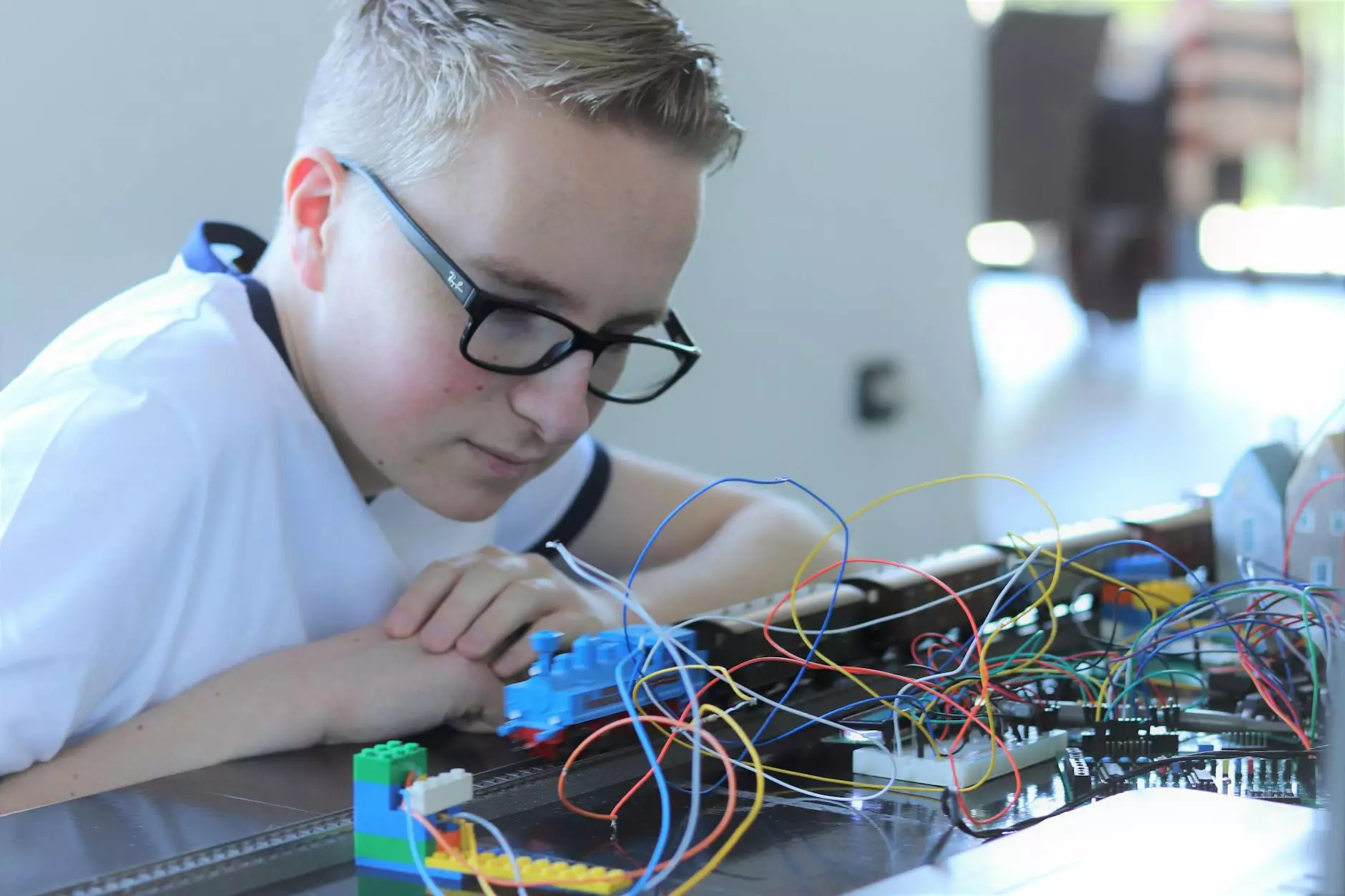
The landscape of manufacturing is rapidly evolving, with prototype manufacturing companies at the forefront of this transformation. In particular, metal fabricators are experiencing significant breakthroughs that enhance production efficiency and product quality. This article delves into the various aspects of prototype manufacturing, elucidating how these companies are pivotal in driving industry innovation.
Understanding Prototype Manufacturing
Prototype manufacturing refers to the process of designing and creating a pre-production model of a product. This phase is crucial as it allows companies to test and refine their ideas before full-scale production begins. Within this realm, prototype manufacturing companies leverage advanced technologies and methodologies to ensure optimal outcomes. Here are some key elements associated with this process:
- Design Validation: Prototypes allow companies to assess their design for functionality, aesthetics, and usability.
- Testing and Iteration: Early prototypes can be tested rigorously, paving the way for iterations that perfect the product before mass production.
- Cost Efficiency: By identifying potential issues early on through prototyping, companies can save significant costs related to errors in mass production.
The Role of Metal Fabricators in Prototype Manufacturing
Among the various types of prototype manufacturing, metal fabrication stands out due to its versatility and durability. Metal fabricators play a significant role in the prototype phase by providing essential services that help businesses transition from concept to reality. Consider the following contributions of metal fabricators:
- CNC Machining: This technology enables precision cutting and shaping of metal parts based on computer-aided designs (CAD), ensuring perfect fits and tolerances.
- Welding Services: Skilled welders can join components seamlessly in the prototype phase, creating robust structures ready for real-world testing.
- Metal Forming: Various techniques such as bending, punching, and stamping are employed to manipulate metal sheets into desired shapes.
Benefits of Partnering with Prototype Manufacturing Companies
Choosing to collaborate with prototype manufacturing companies presents several distinct advantages for businesses across different sectors:
1. Enhanced Speed to Market
In today's competitive landscape, getting a product to market quickly is vital. Prototype manufacturing companies can significantly shorten the lead time from concept to market-ready product. With streamlined processes and advanced technologies, these companies ensure that businesses can rapidly test their ideas and adapt as necessary.
2. Improved Product Quality
By utilizing prototypes, companies can refine their designs through iterative testing, ultimately leading to a superior final product. This focus on quality helps minimize recalls and strengthens a brand’s reputation in the market.
3. Reduced Development Costs
Although there may be initial costs associated with prototyping, the investment pays off by drastically reducing the risk of costly mistakes in production. Identifying design flaws during the prototype phase means that businesses can adjust without incurring the high costs associated with mass production errors.
Choosing the Right Prototype Manufacturing Company
When selecting a prototype manufacturing company, it's crucial to consider several factors to ensure a successful partnership:
- Experience and Expertise: Look for a company with a proven track record in your specific industry and familiarity with the type of products you plan to prototype.
- Technological Capabilities: Ensure the company utilizes state-of-the-art technologies that align with modern fabrication methods such as 3D printing, CNC machining, and advanced welding techniques.
- Customer Support: Effective communication and support are vital to address any issues that may arise throughout the design and manufacturing process.
The Future of Prototype Manufacturing
The future of prototype manufacturing companies looks promising, with several trends expected to shape the industry:
1. Integration of AI and Machine Learning
Artificial intelligence (AI) is poised to revolutionize prototype manufacturing. By utilizing machine learning algorithms, companies can predict design flaws and optimize processes in real-time, leading to even faster and more accurate prototypes.
2. Advances in 3D Printing
3D printing technology is rapidly evolving, offering advanced materials and faster production times. As more industries adopt 3D printing for prototyping, the possibilities for design and production will expand exponentially.
3. Sustainability Practices
With a growing emphasis on sustainable manufacturing, more prototype manufacturing companies are integrating eco-friendly practices into their operations. This includes using recyclable materials and reducing waste, aligning with global sustainability goals.
Conclusion: Embrace the Power of Prototype Manufacturing
In conclusion, the role of prototype manufacturing companies, especially within the sphere of metal fabrication, is crucial for businesses aiming to innovate and stay competitive. By investing in high-quality prototyping, companies can achieve faster time-to-market, enhanced product quality, and reduced costs. As the industry continues to evolve, the integration of advanced technologies and sustainable practices will further empower these companies to lead in metal fabrication and beyond.
For businesses looking to harness the benefits of effective prototype manufacturing, partnering with experienced and technologically adept manufacturers like Deepmould.net can provide the necessary edge to succeed in an ever-changing marketplace.