All American Technologies / Journal
Understanding Mechanical Watches: A Timeless Investment
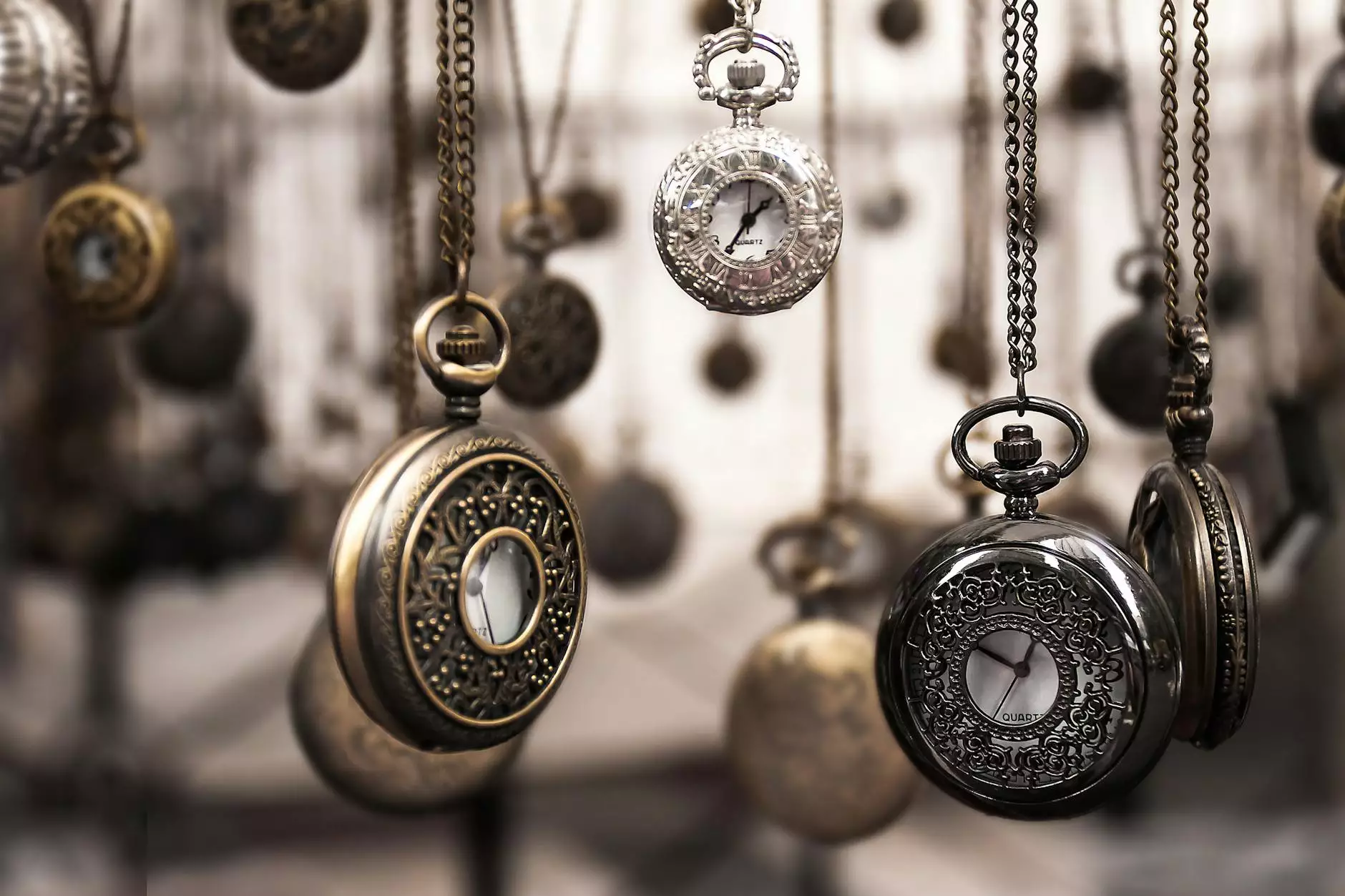
The realm of mechanical watches embodies luxury, tradition, and artistry, appealing to enthusiasts and casual wearers alike. At royalwrist.pk, we delve into the intricate world of these timepieces, discussing their significance, history, and essential features. Mechanical watches not only serve the purpose of telling time but also represent a connection to history and craftsmanship that is increasingly rare in our digital age.
The History of Mechanical Watches
The story of mechanical watches dates back centuries, with roots that can be traced to the early 16th century. Initially developed in Europe, these timepieces were a response to the need for precise timekeeping. The invention of the mainspring in the early 15th century was a pivotal moment, allowing watches to be powered by a wound spring rather than by weights. This innovation laid the groundwork for the mechanical watches we admire today.
Through the ages, skilled artisans in cities like Geneva and London honed their craft, creating intricately designed timepieces that showcased their abilities and reflected the prevailing artistic styles of the time. By the 18th century, the mechanical watch was not just a tool for telling time but also a symbol of status and wealth.
What is a Mechanical Watch?
A mechanical watch is a timepiece that operates through intricate mechanical movements instead of relying on battery power. These watches utilize a complex system of gears, springs, and levers that work together to measure and display time accurately. Mechanical watches can be divided into two main categories:
- Manual Mechanical Watches: These require the wearer to wind the crown regularly to power the mainspring.
- Automatic Mechanical Watches: These are designed to wind themselves as the wearer moves, utilizing a rotor that spins with motion to wind the mainspring automatically.
The Intricate Mechanics Behind Mechanical Watches
The allure of mechanical watches lies in their complexity and craftsmanship. The core components include:
1. The Mainspring
This is the engine of a watch. A tightly coiled spring, when wound, stores potential energy that is gradually released to power the movement of the watch.
2. Gear Train
The gear train transfers the energy from the mainspring to the escapement. This intricate series of gears allows for the measurement of time in precise increments.
3. Escapement
The escapement plays a crucial role by regulating the release of energy from the mainspring. This allows the gear train to advance at a controlled and consistent rate, ensuring accurate timekeeping.
4. Balance Wheel
The balance wheel oscillates back and forth, aided by a hairspring. This oscillation is the basis for the watch’s timekeeping function, making sure that it remains steady and accurate.
Why Choose a Mechanical Watch?
Choosing a mechanical watch over quartz or other types of watches has its unique set of advantages. Here are several reasons why enthusiasts and collectors opt for these intricate timepieces:
- Timeless Craftsmanship: Each mechanical watch is a piece of art, often crafted by hand, showcasing the skills of master watchmakers.
- Longevity: With proper care, mechanical watches can last decades, even becoming heirloom pieces that can be passed down through generations.
- Collectible Value: Many mechanical watches appreciate in value over time, especially limited editions and renowned brands, making them a wise investment.
- Connection to Tradition: Mechanical watches embody a rich history and craftsmanship that digital watches cannot replicate.
- Unique Mechanisms: Each mechanical watch features its own unique movement, often with distinct complications that captivate collectors.
Understanding Mechanical Watch Complications
Complications refer to features beyond the standard timekeeping function. Many high-end mechanical watches boast intricate complications that showcase exceptional engineering. Some popular complications include:
1. Chronograph
A chronograph function allows the watch to serve as a stopwatch, enabling the user to measure elapsed time in addition to the standard time display.
2. Moon Phase
This complication tracks the lunar cycle, displaying the phases of the moon, making it a beautiful and functional aesthetic enhancement.
3. Perpetual Calendar
A perpetual calendar automatically adjusts for leap years and varying month lengths, displaying the correct date without needing manual adjustments.
4. Tourbillon
This high-end feature was designed to improve accuracy by countering the effects of gravity on the watch's movement.
Choosing the Right Mechanical Watch
When selecting a mechanical watch from Royal Wrist, consider the following:
1. Purpose
Identify whether you want a watch for daily wear, formal occasions, or a collector’s item. Your choice may differ based on practicality vs. aesthetic appeal.
2. Brand Reputation
Research brands recognized for their craftsmanship, heritage, and service. Companies like Rolex, Patek Philippe, and Omega are renowned for their quality mechanical watches.
3. Movement Type
Decide whether you prefer a manual or automatic mechanism. Each has its pros and cons, so choose according to your lifestyle and preferences.
4. Design Aesthetics
From sporty designs to elegant dress watches, mechanical watches come in various styles. Choose one that resonates with your personal style.
5. Budget
Mechanical watches can vary significantly in price. Set a realistic budget considering factors like brand, materials, and complications.
Care and Maintenance of Mechanical Watches
To ensure longevity and optimal performance, follow these maintenance tips for your mechanical watch:
- Regular Winding: For manual watches, make it a habit to wind your watch regularly to keep the mainspring charged.
- Service Intervals: Have your watch serviced every three to five years by a professional watchmaker to keep it functioning well.
- Avoid Extreme Conditions: Keep your watch away from extreme temperatures, magnetic fields, and moisture to prevent damage.
- Cleaning: Use a soft cloth to clean your watch case and strap regularly. For deeper cleaning, consult a professional.
Exploring the Fashion and Jewelry Aspects of Mechanical Watches
At Royal Wrist, we perceive mechanical watches as not merely instruments of time but also pivotal fashion accessories. A well-selected mechanical watch can elevate an outfit, serving as a statement piece that showcases your taste and style.
Integrating watches into your fashion ensemble can add depth and character. Here are some tips on how to accessorize with mechanical watches:
- Pair with Formal Attire: A classic dress watch complements suits, enhancing sophistication.
- Casual Pairings: Sporty mechanical watches can effortlessly enhance casual outfits, offering a blend of functionality and style.
- Contrast Styles: Mix modern outfits with vintage or classic watches for an eclectic fashion statement.
- Layering: Experiment with bracelets and accessories to create a personalized look that reflects your personality.
Conclusion: The Enduring Appeal of Mechanical Watches
The charm of mechanical watches lies in their intricate craftsmanship, rich history, and unique ability to transcend mere functionality to become treasured heirlooms. As you explore the options at royalwrist.pk, remember that investing in a mechanical watch is not just acquiring a device for timekeeping—it’s about embracing a legacy of artistry and precision. Dive into the world of mechanical timepieces, and discover how they can enhance your style while providing timeless value for generations to come.
Let your journey into the watch world lead you to a piece that resonates with your style and meets your practical needs. Each mechanical watch tells a story that goes beyond its aesthetic appeal, merging history, craftsmanship, and function into a harmonious whole.