All American Technologies / Journal
Understanding the T4 Vertebrae: Location, Importance, and Health Implications
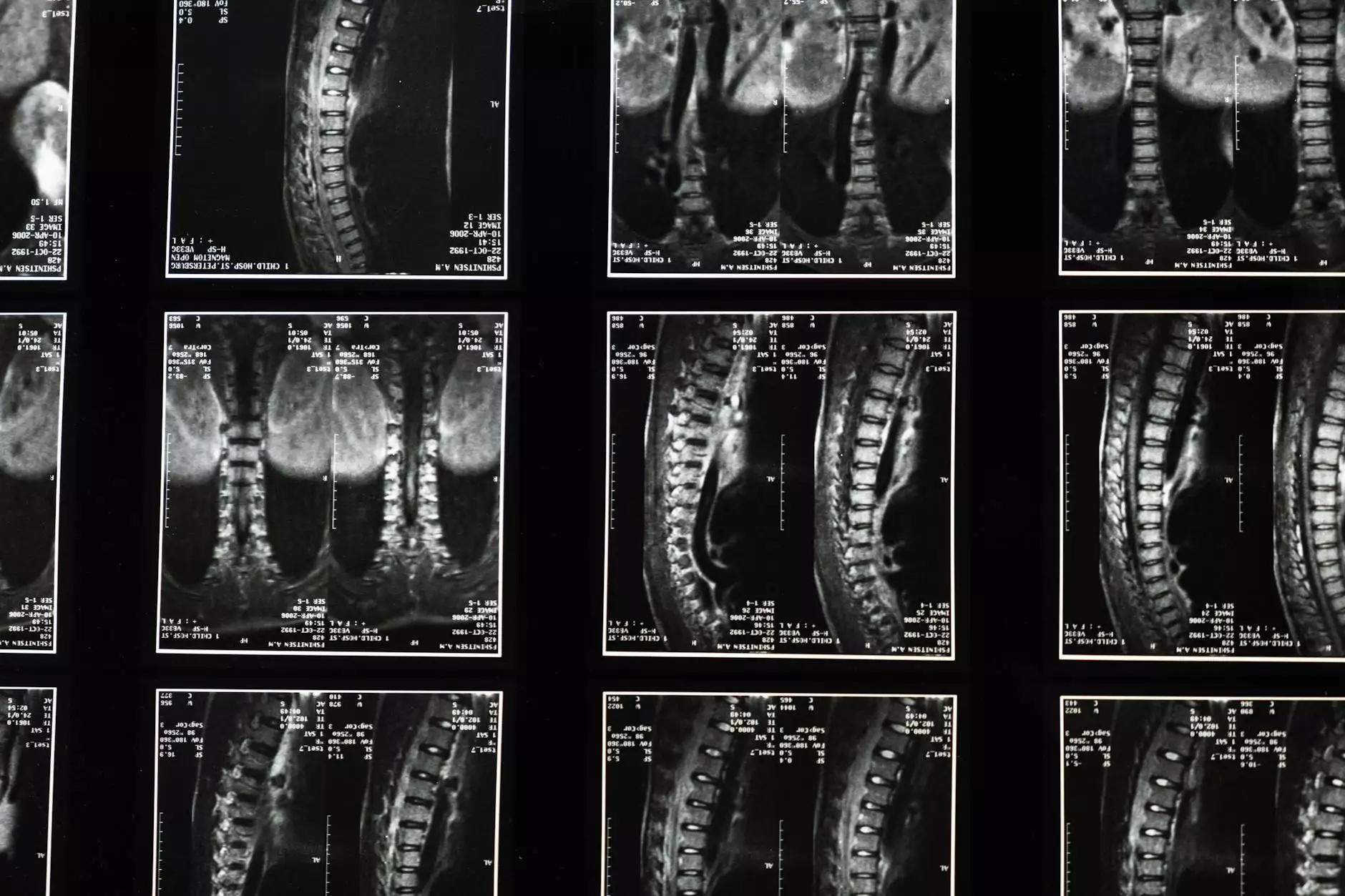
The human spine is a complex structure that plays a crucial role in overall health and functionality. One of the key components of this structure is the vertebral column, which comprises 33 bones known as vertebrae. Each vertebra serves a specific purpose, contributing to the overall integrity and mobility of the spine. Today, we will focus on a particularly significant vertebra: the T4 vertebrae.
What is the T4 Vertebrae?
The T4 vertebra is the fourth thoracic vertebra, located in the mid-back region of the spine. It is part of the thoracic segment, which consists of 12 vertebrae labeled T1 through T12. The thoracic region is notable for its connection to the ribs, which provide protection to vital organs in the chest cavity, including the heart and lungs.
Where is T4 Vertebrae Located?
So, where is T4 vertebrae situated within the thoracic spine? The T4 vertebra is located approximately in the middle of the spine, between the T3 and T5 vertebrae. To give a better perspective, the thoracic vertebrae are located below the cervical vertebrae (C1-C7) and above the lumbar vertebrae (L1-L5).
To visualize its location in relation to other anatomical structures:
- Cervical Spine (C1 to C7): Located in the neck area, providing support and mobility to the head.
- Thoracic Spine (T1 to T12): Comprising the mid-back, where the ribs attach.
- Lumbar Spine (L1 to L5): Located in the lower back, responsible for bearing much of the body weight.
Especially for practitioners in the fields of Health & Medical and Chiropractors, understanding the exact location of the T4 vertebra can help in diagnosing and managing various spinal conditions effectively.
The Function of the T4 Vertebrae
The T4 vertebra plays a pivotal role in the structural integrity of the spinal column. It serves multiple functions, including:
- Support: Provides structural support for the upper body and acts as an anchor point for the rib cage.
- Protection: Shields the spinal cord and nerves that pass through the vertebrae.
- Mobility: Facilitates movement in conjunction with surrounding vertebrae, allowing for bending and twisting actions.
- Nerve Function: The nerve roots that exit from the T4 region of the spinal cord are critical for the sensations and motor functions of the corresponding areas in the back and upper body.
Health Implications of the T4 Vertebra
Given its strategic location and functional role, the T4 vertebra can be involved in various health issues, making it essential to understand its significance. Here are some important conditions related to the T4 vertebra:
1. Postural Issues
Poor posture can lead to misalignments in the thoracic region, affecting the T4 vertebra. This can result in discomfort, pain, and long-term spinal issues. Maintaining good posture can help alleviate undue stress on the T4 vertebra.
2. T4 Syndrome
T4 Syndrome is a condition where patients experience pain or discomfort that may stem from or be exacerbated by dysfunction in the T4 vertebra. Symptoms often present as pain in the upper back, shoulders, and sometimes radiate into the arms. Chiropractic care can be particularly effective in treating this syndrome, with techniques aimed at realigning the T4 vertebra.
3. Injury or Trauma
Injuries to the thoracic spine, such as fractures or dislocations, can significantly impact the T4 vertebra. These injuries may occur from accidents, falls, or sports mishaps. Prompt medical attention and appropriate rehabilitation are critical in such cases.
4. Conditions Affecting the Ribs
Since the T4 vertebra is connected to the ribs, conditions affecting rib mobility or function can indirectly affect the T4 area. Rib dysfunction may lead to pain in the thoracic region and can be addressed through chiropractic adjustments.
Maintaining Spinal Health and the T4 Vertebra
To ensure the health of the T4 vertebra and the surrounding spinal structures, consider the following recommendations:
- Regular Exercise: Engage in exercises that promote spinal flexibility and strength, such as yoga or Pilates.
- Posture Awareness: Practice good posture while sitting and standing to reduce strain on the thoracic spine.
- Chiropractic Care: Regular visits to a chiropractor can help maintain spinal alignment and address issues related to the T4 vertebra.
- Ergonomic Workspace: Set up a workspace that supports a healthy posture, with proper chair height and desk setup.
- Healthy Weight: Maintain a healthy weight to reduce strain on the spinal column.
When to Seek Help
If you're experiencing persistent pain or discomfort in the upper back region that you suspect may involve the T4 vertebra, it's crucial to seek medical attention. A healthcare professional, such as a chiropractor or a physician, can conduct a thorough assessment and recommend appropriate interventions.
Conclusion
Understanding the T4 vertebrae, its location, and its importance is vital for maintaining a healthy spine and overall well-being. By being aware of the implications surrounding this vertebra and taking proactive measures, you can help ensure a well-functioning spine and prevent related issues. Whether you're a practitioner or someone looking to enhance your spinal health, knowledge about the T4 vertebra is a valuable asset.
For more insights into spinal health and the role of chiropractic care, visit IAOM-US.com and explore resources that can help you stay informed and proactive about your health.