All American Technologies / Journal
Understanding the Moisture Content of Cereals: Importance and Management
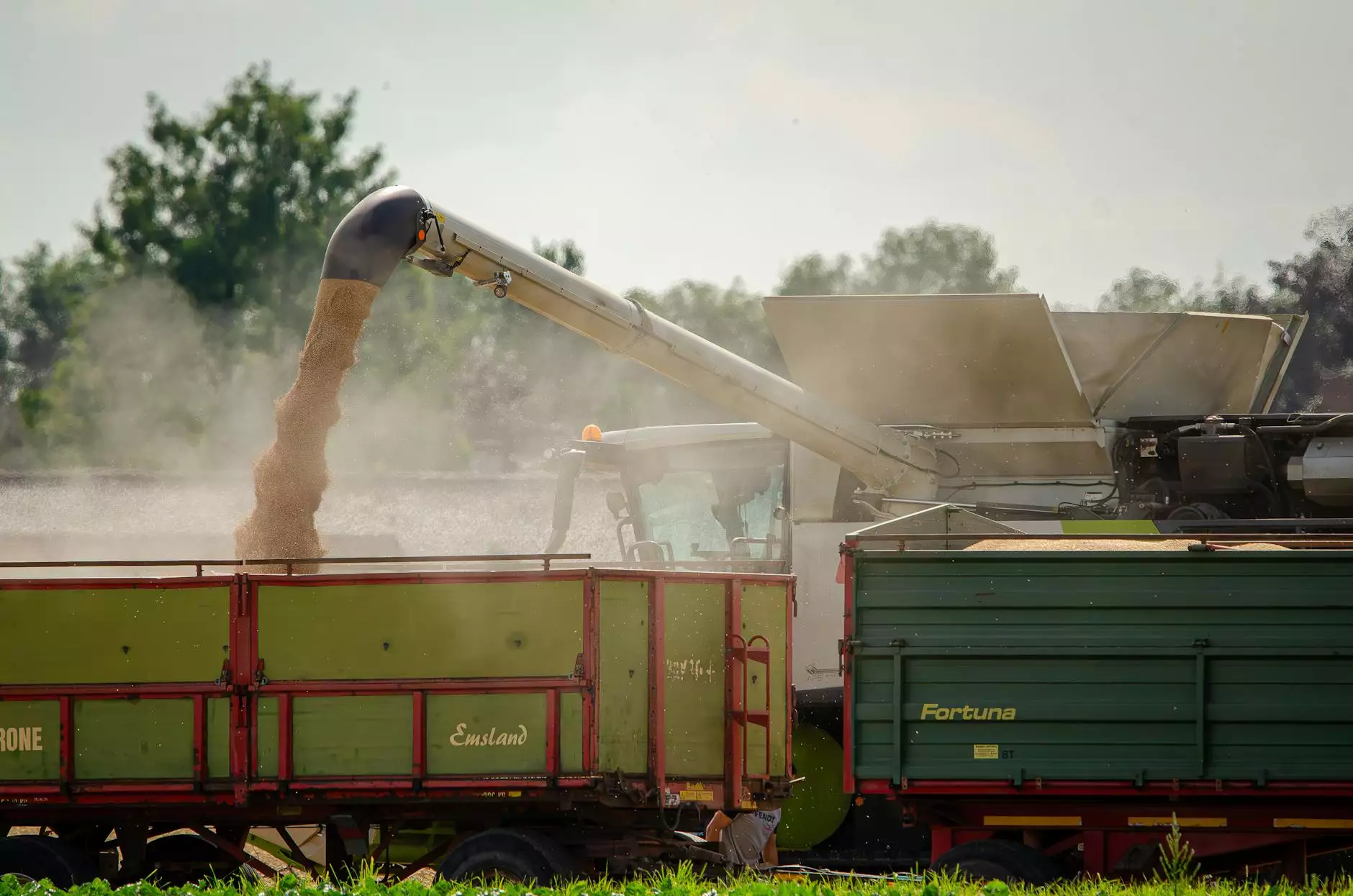
The moisture content of cereals is a crucial factor in the agricultural sector that can significantly impact the quality, storage, and marketability of grains. As we delve deeper into the significance of moisture content, we will explore how it affects crop yield, the implications for farming equipment, and the overall business aspects of grain handling and storage. Understanding this fundamental concept is essential for farmers, agricultural engineers, and anyone involved in the cereal grain supply chain.
The Basics of Moisture Content in Cereals
Moisture content refers to the amount of water present in cereal grains, typically expressed as a percentage of the total weight of the grain. This measurement is vital for several reasons:
- Quality Assessment: High moisture can lead to spoilage and degradation of grain quality.
- Storage Considerations: Proper moisture levels ensure that grains can be stored without risk of mold or spoilage.
- Pricing Factors: Moisture content can influence market prices; drier grains often fetch better prices.
Why Moisture Content Matters
The significance of moisture content in cereals cannot be overstated. It serves as a determining factor in:
1. Grain Quality
When the moisture content of cereals is too high, it can lead to the growth of fungi and bacteria, which can cause spoilage. Moreover, the nutritional profile of the grain can be adversely affected, impacting its suitability for consumption and use in various food products.
2. Shelf Life
Correct moisture levels help in extending the shelf life of cereals. Grains stored below a certain moisture threshold can last for several years without losing quality, while those stored with high moisture levels may only be good for a short period.
3. Economic Impact
Farmers need to maintain optimal moisture content not only for quality but also for economic reasons. Grains with acceptable moisture levels are more likely to sell at premium prices, thus increasing farmers' profitability.
How to Measure Moisture Content
Measuring the moisture content of cereals is essential for effective management. Here are some common methods:
- Manual Methods: Traditional methods involve drying a grain sample in an oven and calculating the moisture percentage using the weight difference before and after drying.
- Moisture Meters: These electronic devices provide a quick way to measure moisture content, offering instant results and reducing the risk of human error.
Implications of High Moisture Levels
High moisture content can lead to serious problems in the agricultural business:
1. Spoilage and Losses
Excess moisture creates an environment conducive to mold and bacterial growth, leading to spoilage, which can result in significant financial losses.
2. Insect Infestation
High moisture can also attract pests and insects, further exacerbating quality deterioration.
3. Logistical Challenges
Grains with high moisture levels may require special handling during transportation and storage, leading to increased logistical costs.
Best Practices for Managing Moisture Content
To maintain optimal moisture levels, farmers and grain handlers should adopt best practices such as:
- Proper Drying Techniques: Utilize grain dryers to efficiently reduce moisture content after harvest.
- Regular Monitoring: Frequently check moisture levels during storage to ensure they remain within acceptable limits.
- Investing in Quality Equipment: Equip farms with state-of-the-art moisture sensing and drying equipment for better management and efficiency.
The Role of Agricultural Equipment in Moisture Management
Farm equipment plays a pivotal role in maintaining the moisture content of cereals. The right equipment can make a significant difference in efficient moisture management, leading to better crop yields and economic savings. Here are some types of equipment crucial for moisture management:
1. Grain Harvesters
Modern grain harvesters are equipped with technology that helps gauge moisture levels right during harvesting, allowing farmers to make real-time decisions.
2. Grain Dryers
Grain dryers are essential for reducing moisture post-harvest. These devices can significantly lower the moisture content, ensuring the grains are stored safely and effectively.
3. Moisture Sensors
Advanced moisture sensors can be embedded in silos and storage facilities to provide continuous monitoring of grain moisture, helping to prevent potential issues before they arise.
Conclusion: The Future of Cereal Moisture Content Management
As the global demand for cereals continues to rise, understanding and managing the moisture content of cereals will be increasingly critical. Implementing innovative technologies, regular training for farmers, and investing in high-quality agricultural equipment will pave the way for sustainable cereal production.
Ultimately, addressing moisture management not only protects the quality of grains but also enhances the economic viability of the farming sector. Farmers and stakeholders must collaborate to develop strategic plans that incorporate advanced moisture management practices, ensuring a bright future for cereal agriculture.
Final Thoughts
Maintaining optimal moisture content in cereals is a blend of science, technology, and best practices. As we advance in agricultural technology, embracing these changes will be key to successful and sustainable grain farming. Join the conversation and explore more about how TSGC Inc. can help your business with expert solutions in Farm Equipment Repair and Farming Equipment.