All American Technologies / Journal
Understanding Office Hysteroscopy: A Comprehensive Guide
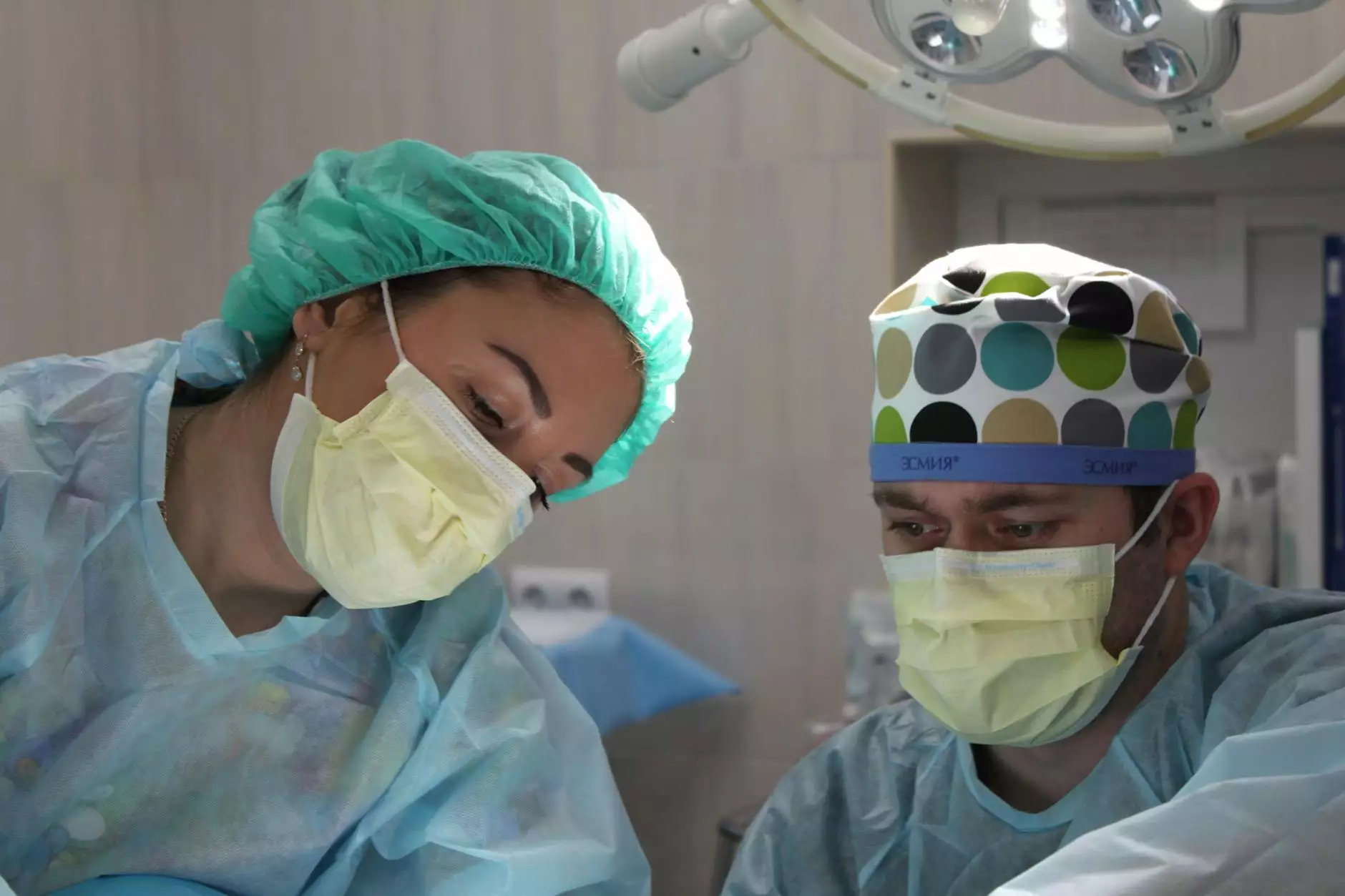
In the realm of women's health, office hysteroscopy has emerged as a pivotal procedure that offers numerous benefits for patients seeking safe and effective diagnosis and treatment of uterine conditions. This article delves into the intricacies of office hysteroscopy, enunciating its importance, procedural nuances, recovery, and a wealth of other pertinent information to help you understand this technique better.
What is Office Hysteroscopy?
Office hysteroscopy is a minimally invasive diagnostic procedure that allows healthcare providers, particularly obstetricians and gynecologists, to visualize the inside of the uterus using a hysteroscope. The hysteroscope is a thin, lighted tube that is inserted through the vagina and cervix into the uterus, providing real-time imagery and insight into the uterine environment.
Why is Office Hysteroscopy Performed?
The main reasons for performing office hysteroscopy include:
- Diagnosing Uterine Conditions: This includes polyps, fibroids, and abnormal uterine bleeding.
- Evaluating Infertility: Hysteroscopy can assess the uterine cavity for abnormalities contributing to infertility.
- Postmenopausal Bleeding: To investigate the cause of bleeding after menopause.
- Removing Polyps or Fibroids: Certain simple procedures can be done during hysteroscopy, like removing growths within the uterus.
The Benefits of Office Hysteroscopy
Choosing office hysteroscopy offers several advantages over traditional surgical methods:
- Minimally Invasive: The procedure is performed in the office rather than a hospital, reducing hospital-associated risks.
- No General Anesthesia Required: Patients remain awake and can return to their daily activities rapidly.
- Immediate Results: Doctors can provide a diagnosis in real-time, allowing for timely treatment.
- Low Risk of Complications: Compared to other surgical interventions, office hysteroscopy has a lower complication rate.
Understanding the Procedure
Before undergoing office hysteroscopy, it is essential to understand what to expect. Here’s a detailed overview of the procedure:
Preparation
Before an office hysteroscopy, your doctor will discuss the reasons for the procedure and review your medical history. Specific preparations might include:
- A pelvic examination to ensure suitability for the procedure.
- Instructions regarding the use of medications, especially if you take blood thinners.
- Scheduling the procedure ideally after your menstrual period and before ovulation.
The Acceptance of Office Hysteroscopy
Typically, office hysteroscopy lasts about 15 to 30 minutes. Here's what happens during the procedure:
The patient is usually positioned on an examination table, similar to a pelvic exam. A local anesthetic is administered to minimize discomfort. The hysteroscope is gently inserted through the cervix into the uterus. Sterile fluid is used to expand the uterine cavity, allowing for optimal visibility.
Post-Procedure Care
After the procedure, patients are often monitored for a short while to ensure there are no immediate complications. Some post-procedure care tips include:
- Rest: Allow yourself a few hours of rest before resuming normal activities.
- Pain Management: Over-the-counter pain relievers can assist with any mild discomfort.
- Follow-Up: Schedule a follow-up appointment to discuss results and future steps.
Recovery After Office Hysteroscopy
The recovery process is relatively straightforward. Most women can return to their daily lives within a day or two. However, it’s essential to monitor for any unusual symptoms, such as severe pain, fever, or heavy bleeding, and contact your healthcare provider if they occur.
Risks and Considerations
Although office hysteroscopy is considered safe, there are potential risks. These may include:
- Infection: As with any procedure involving insertion into the body, there is a risk of infection.
- Perforation: Rarely, the hysteroscope can perforate the uterine wall.
- Bleeding: Some women might experience light bleeding or spotting post-procedure.
Conclusion
Office hysteroscopy stands as a groundbreaking procedure in the field of gynecology, empowering both practitioners and patients through its minimally invasive approach to uterine health. By enabling real-time diagnosis and treatment, it offers women a more efficient and comfortable pathway to better health outcomes.
If you're considering office hysteroscopy or have questions about the procedure, it's advisable to consult with a trusted healthcare provider. For those located in or near New York City, Dr. Seckin, a leading expert in gynecology, is an exceptional resource for information and services related to women’s health.