All American Technologies / Journal
Understanding the Role of Commercial Property Architects
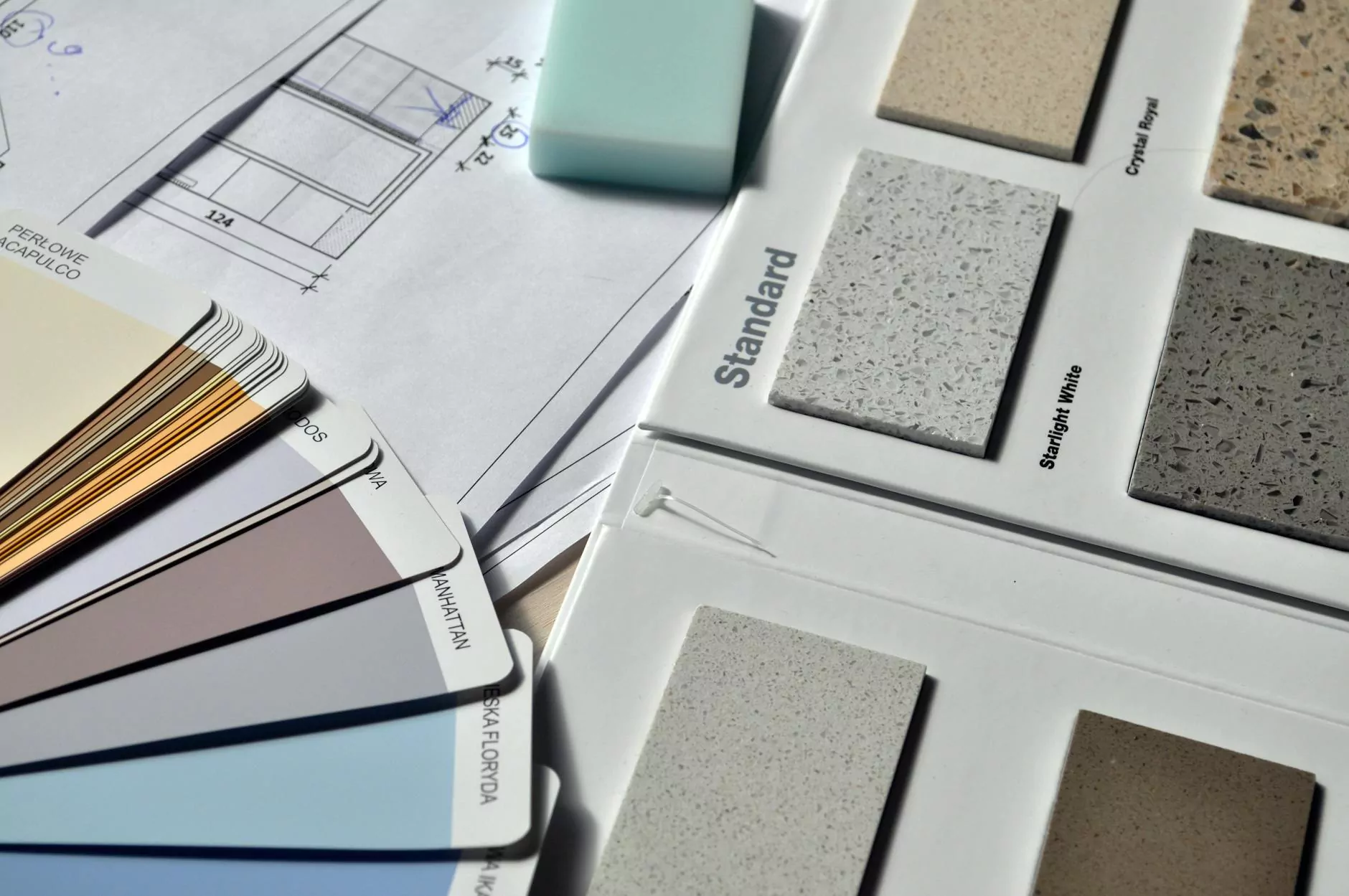
In today's competitive landscape, the significance of well-designed business environments cannot be underestimated. Commercial property architects play a pivotal role in shaping these environments, ensuring that every square foot maximizes utility and aesthetic appeal. A carefully designed space can enhance both employee productivity and customer experience, paving the way for business success.
The Importance of Commercial Property Design
When discussing commercial property, the design is not solely about looks; it is intricately linked to functionality, efficiency, and the economic success of a business. Here are several critical factors that underline the importance of thoughtful commercial property design:
- Maximizing Space Utilization: Efficient design promotes optimal use of available space, which can lead to cost savings and improved workflow.
- Brand Representation: Architecture speaks to your brand identity. A well-crafted space reflects the essence of the brand, conveying professionalism and appeal.
- Employee Well-being: An appealing and functional workspace enhances job satisfaction, leading to increased productivity and reduced turnover rates.
- Customer Experience: First impressions are vital. A thoughtfully designed commercial property encourages customers to linger, browse, and engage with the business.
Key Responsibilities of Commercial Property Architects
Commercial property architects are not just designers; they are visionaries who translate the needs of businesses into tangible environments. Their responsibilities include:
1. Concept Development
Architects work closely with clients to develop a concept that aligns with the company's objectives. This includes understanding the brand, target audience, and functional needs to create a cohesive design intent.
2. Space Planning
A crucial responsibility is space planning. This involves a meticulous arrangement of furniture, equipment, and pathways to ensure a smooth workflow and compliance with building codes.
3. Sustainable Design
With the pressing need for sustainability, commercial property architects incorporate eco-friendly practices. This may include choosing sustainable materials, optimizing energy efficiency, and ensuring water conservation.
4. Coordination with Contractors and Consultants
Architects lead the project from inception to completion, coordinating with engineers, contractors, and other consultants to ensure that the vision is realized accurately.
5. Compliance and Regulation Adherence
Commercial properties must adhere to local zoning laws, building codes, and safety regulations. Architects ensure that all designs comply with these legal requirements.
Creating Commercial Spaces that Inspire
The world of commercial property architecture is diverse, encompassing various sectors and styles. Here are some types of commercial properties where architects significantly contribute:
Office Buildings
Modern office buildings prioritize collaboration and flexibility. Architects create open spaces with natural light, wellness areas, and varied meeting facilities. Efficient design and functionality are key to maximizing productivity.
Retail Spaces
Retail properties thrive on creating engaging customer experiences. Architects design spaces that attract customers, facilitate a smooth shopping experience, and effectively display products. Branding elements are also seamlessly integrated into the design.
Healthcare Facilities
The architecture of healthcare facilities must balance aesthetics with functionality. Commercial property architects design spaces that promote healing through thoughtful layouts, efficient movement patterns, and welcoming environments.
Hospitality Venues
In the hospitality sector, the design must evoke emotion. Hotels, restaurants, and leisure facilities require unique architectural approaches that promote comfort, style, and functionality, attracting both patrons and guests.
Future Trends in Commercial Property Architecture
Commercial property architects must remain adaptable, embracing emerging trends that shape the future of business spaces:
1. Biophilic Design
Incorporating nature in design is emerging as a trend, improving air quality and creating serene environments. Architects are adding natural elements, such as plants and water features, to enhance well-being.
2. Technology Integration
Smart buildings are taking the commercial property sector by storm. Architects are integrating technology into design for energy management, security, and enhanced user experience.
3. Flexible Spaces
With the rise of remote work, flexible office layouts that can adapt to changing needs are becoming crucial. Architects are designing modular spaces that can easily reconfigure for different uses.
4. Sustainability and Resiliency
Architects are increasingly focusing on sustainable practices and resiliency against climate changes. This includes utilizing renewable resources and creating buildings that withstand environmental stressors.
The Value of Engaging Professional Architects
Choosing the right commercial property architect can significantly impact your business's success. Here’s why engaging a professional is invaluable:
- Expertise: Professional architects bring a wealth of knowledge and experience, ensuring that the design is not only appealing but also practical and compliant.
- Customization: They provide tailored designs that meet the unique needs of your business, rather than applying one-size-fits-all solutions.
- Cost-Effective Solutions: While hiring an architect may seem like an added expense, they can actually save you money in the long run by avoiding costly mistakes and ensuring efficient material use.
- Innovative Ideas: Architects are trained to think creatively, bringing fresh ideas to the table that may not have been considered by business owners.
How to Choose the Right Commercial Property Architect
Choosing the right architect is a daunting task, but certain criteria can help narrow down your options:
1. Portfolio Review
Examine their previous work to gauge their style and see if it aligns with your vision.
2. Client Testimonials
Feedback from past clients can provide insight into the architect's strengths and areas of expertise.
3. Industry Experience
Consider their experience in commercial projects similar to yours, as familiarity with specific types of commercial properties can be beneficial.
4. Communication Skills
Effective communication is vital. Ensure your architect can articulate ideas clearly and respond to your needs.
5. Commitment to Sustainability
If sustainability is a priority for your business, seek architects with credentials in sustainable design and a proven track record in eco-friendly projects.
Conclusion: Invest in Your Commercial Property Today
The impact of commercial property architects extends far beyond aesthetics. They are instrumental in transforming visions into reality, crafting spaces that are functional, beautiful, and conducive to business growth. Investing in the expertise of commercial property architects is essential for any business aiming to thrive in today’s dynamic market. By prioritizing thoughtful design, businesses can create an environment that not only attracts customers but also fosters employee satisfaction and innovation.
For exceptional architectural solutions, look no further than Sthcons.com, where we bring your commercial property dreams to life with unparalleled professionalism and creativity.