All American Technologies / Journal
Complete Overview of Laparoscopic Salpingo-Oophorectomy Procedure Steps and Its Significance in Women’s Health
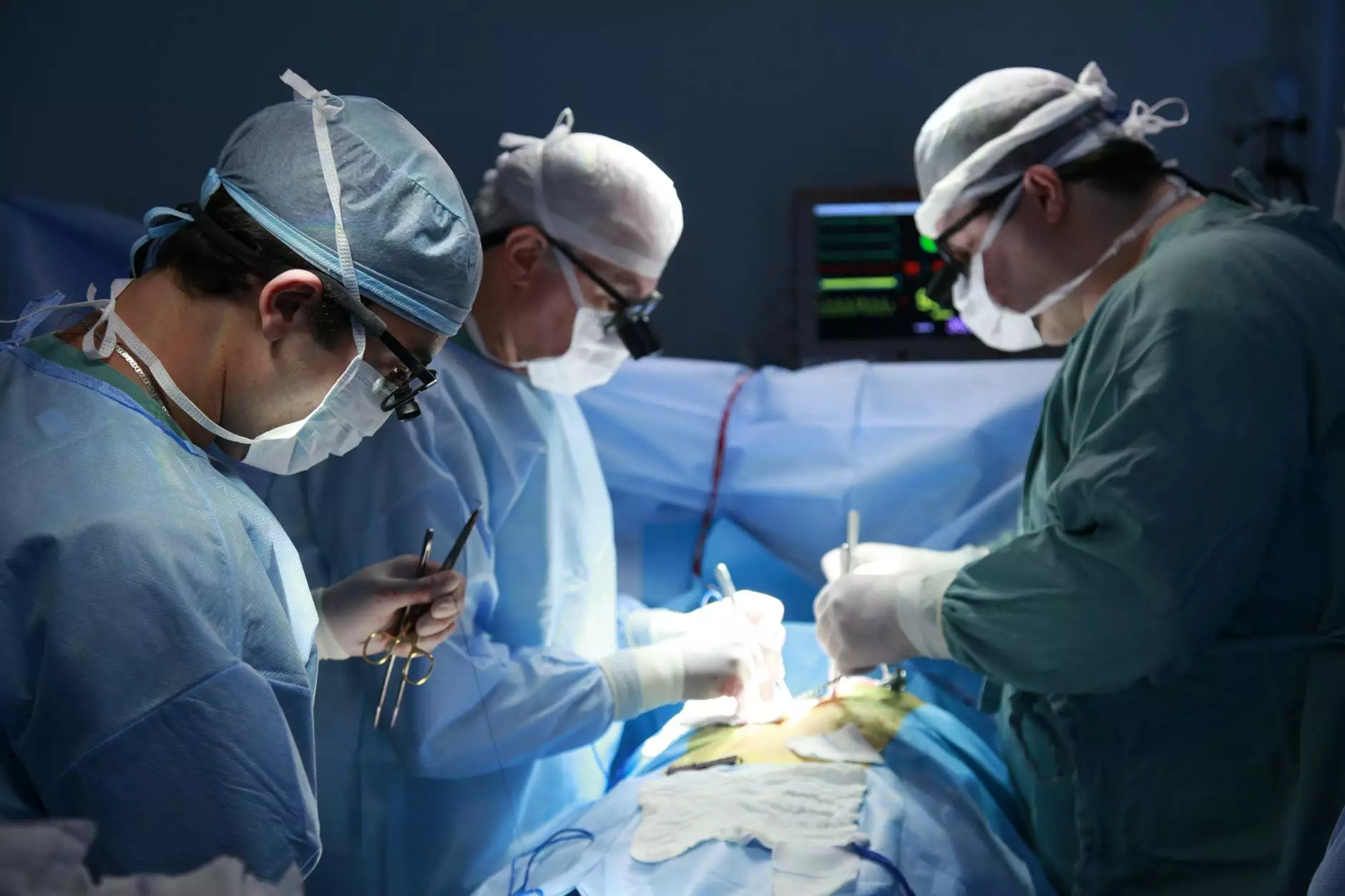
The laparoscopic salpingo-oophorectomy is a highly advanced, minimally invasive surgical procedure designed to remove the ovary and fallopian tube on one or both sides of a woman’s pelvis. This procedure is a cornerstone in the management of various gynecologic conditions, including ovarian cysts, benign tumors, endometriosis, and certain types of ovarian or fallopian tube cancers. Its precision, reduced recovery time, and minimal scarring make it the preferred choice for gynecological surgeries today.
At drseckin.com, led by renowned obstetricians & gynecologists such as Dr. Seckin, we emphasize a holistic approach to women's health. Our expertise ensures that every laparoscopic salpingo-oophorectomy procedure is performed with the utmost precision, safety, and patient comfort.
Understanding the Importance of a Laparoscopic Salpingo-Oophorectomy
The salpingo-oophorectomy addresses several critical health issues:
- Ovarian cyst removal: To prevent complications like rupture or torsion.
- Management of ovarian tumors: Including benign, borderline, or malignant tumors.
- Endometriosis treatment: When ovaries are affected significantly.
- Cancer prophylaxis: In women with genetic predispositions such as BRCA mutations.
- Fertility considerations: While the procedure may impact fertility, it can be part of managing fertility-related pathology.
Why Choose Laparoscopic Surgery for Salpingo-Oophorectomy?
The laparoscopic approach offers numerous advantages over traditional open surgery:
- Minimally invasive: Small incisions reduce postoperative pain and scarring.
- Quicker recovery: Patients typically return to daily activities faster.
- Decreased risk of infection: Due to smaller wounds.
- Enhanced visualization: High-definition cameras allow surgeons to see magnified images of the pelvic anatomy.
- Precise surgical manipulation: Facilitates meticulous removal of targeted tissues with lower complication rates.
Detailed Steps of the Laparoscopic Salpingo-Oophorectomy Procedure
A comprehensive understanding of the procedure steps is essential for patients and practitioners alike. Below, we outline a step-by-step guide to what occurs during a laparoscopic salpingo-oophorectomy under expert surgical care:
Preoperative Preparation
Prior to surgery, patients undergo thorough evaluations including blood tests, imaging studies (like ultrasound or MRI), and anesthesia assessments. The surgeon discusses potential risks and obtains informed consent. Patients are typically advised to fast for a specified period before the procedure.
Step 1: Administration of Anesthesia
The patient is administered general anesthesia, ensuring complete unconsciousness and pain relief throughout the procedure. Proper airway management and monitoring are established by the anesthesiology team.
Step 2: Creation of Access Points
The surgeon makes 3 to 4 small incisions, each approximately 0.5 to 1 cm long, in the lower abdomen. These incisions serve as entry points for trocars—hollow tubes that facilitate insertion of surgical instruments.
Step 3: Insertion of the Laparoscope and Instruments
Through the initial incision, the laparoscope (a thin tube equipped with a high-definition camera) is introduced. Carbon dioxide gas is gently insufflated into the abdominal cavity to create space, improve visualization, and allow safe instrument maneuvering. Additional ports are used for inserting surgical instruments such as graspers, scissors, and cauterization devices.
Step 4: Exploration and Identification of Pelvic Anatomy
The surgeon performs a meticulous exploration of the pelvis to confirm the diagnosis, locate the ovaries, fallopian tubes, and surrounding structures like blood vessels, bladder, and intestines. Enhanced visualization allows precise identification of pathological tissues.
Step 5: Isolation of the Targeted Structures
The involved ovary and fallopian tube are carefully dissected from surrounding tissues. Blood vessels supplying these organs are identified, secured, and prepared for division using clips, ligatures, or energy devices such as bipolar cautery or ultrasonic shears.
Step 6: Removal of the Ovaries and Fallopian Tubes
Once isolated, the ovary and fallopian tube are detached from their vascular attachments. They are then placed into an endoscopic retrieval bag to prevent spillage of tissue or fluids into the abdominal cavity. The specimen is carefully extracted through one of the smaller incisions.
Step 7: Hemostasis and Inspection
The surgeon meticulously ensures all blood vessels and tissues are securely sealed, preventing postoperative bleeding. The entire pelvic area is reinspected for any bleeding or injury before concluding the procedure.
Step 8: Closure of Incisions
After verifying that bleeding is controlled, the carbon dioxide gas is released. The small skin incisions are closed with sutures or surgical glue, and sterile dressings are applied.
Postoperative Care and Recovery
Patients typically experience minimal discomfort and are encouraged to ambulate early to prevent blood clots. Pain management includes analgesics, and follow-up visits assess healing and address any concerns. Most women resume normal activities within a few days to a week, depending on individual health and the complexity of the surgery.
Potential Risks and Complications
Like any surgical procedure, laparoscopic salpingo-oophorectomy carries some risks:
- Bleeding
- Infection
- Injury to surrounding organs such as the bladder or intestines
- Anesthesia-related complications
- Blood clots or deep vein thrombosis
- Hormonal changes if both ovaries are removed
Choosing an experienced surgical team minimizes these risks and ensures optimal outcomes.
Choosing the Right Specialist for Your Gynecological Surgery
When considering a laparoscopic salpingo-oophorectomy, it’s crucial to select a knowledgeable and experienced obstetrician and gynecologist specializing in minimally invasive surgeries. At Dr. Seckin, we prioritize patient-centered care, precise surgical techniques, and the latest advancements in gynecology to achieve successful results.
Conclusion: Empowering Women Through Advanced Gynecological Care
The laparoscopic salpingo-oophorectomy procedure exemplifies the evolving landscape of women’s health surgery—more precise, less invasive, and more effective than ever before. Equipped with detailed knowledge of the procedure steps, patients and healthcare providers can make informed decisions and pursue optimal health outcomes.
If you are experiencing gynecological issues that may require surgical intervention, consult with a leading specialist to explore personalized treatment options. Remember, early diagnosis and intervention can significantly improve prognosis and quality of life.
For expert care in Doctors, Health & Medical, Obstetricians & Gynecologists services, visit drseckin.com and take the first step towards reclaiming your health.
laparoscopic salpingo oophorectomy procedure steps