All American Technologies / Journal
Unlocking Success in Metal Fabrication with Precision CNC Machining Parts
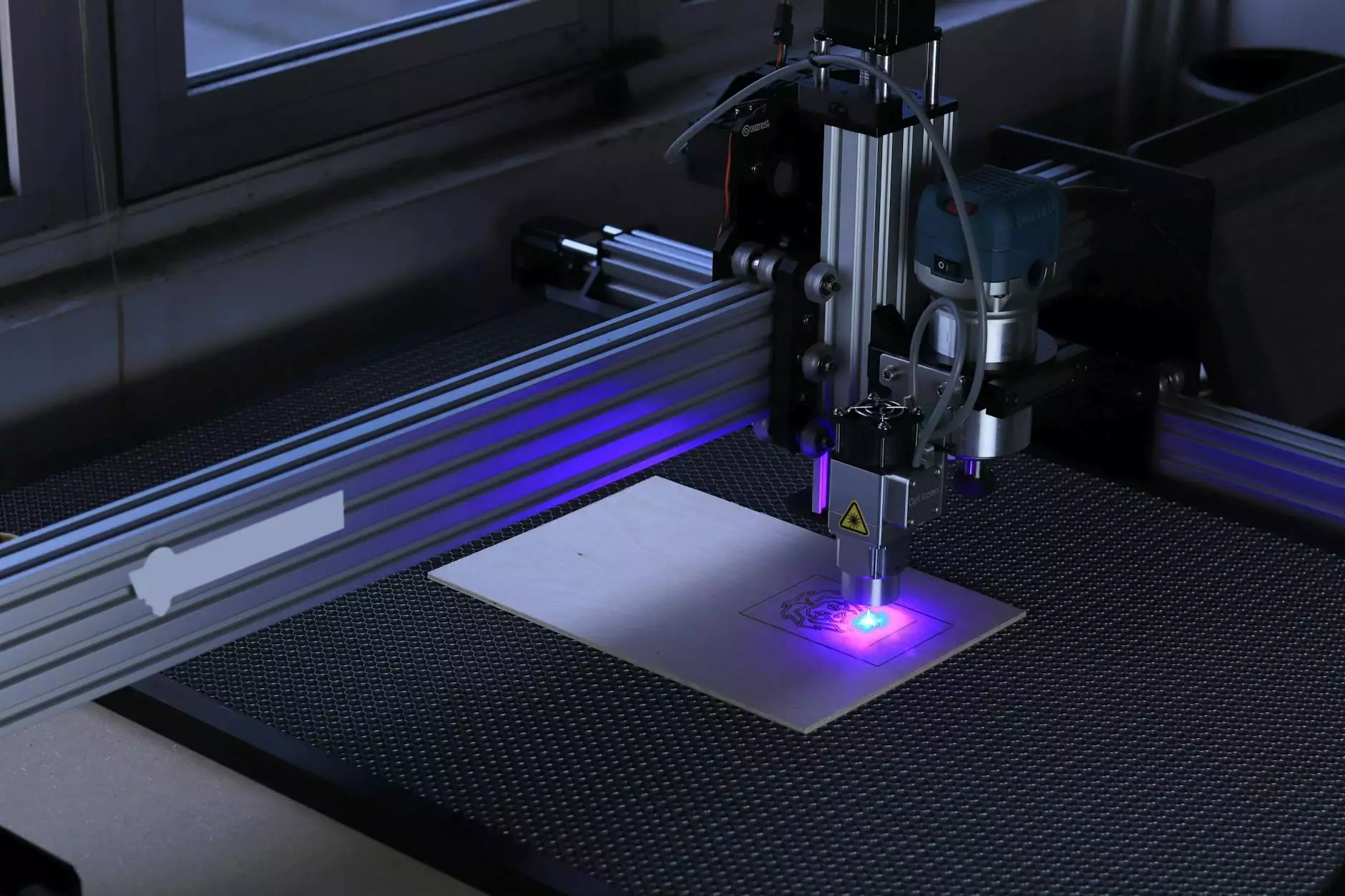
In the rapidly evolving world of manufacturing and industrial production, precision CNC machining parts have become the cornerstone of high-quality, innovative, and efficient metal fabrication. Businesses that leverage the advanced capabilities of CNC machining are positioning themselves at the forefront of their industries, delivering superior products with impeccable accuracy and consistency. This comprehensive guide explores the critical role of precision CNC machining parts in metal fabrication, highlighting their benefits, applications, technological advancements, and how they foster competitive advantages in the marketplace.
Understanding Precision CNC Machining Parts in Modern Metal Fabrication
At its core, precision CNC machining parts refer to components produced through computer-controlled machining processes that achieve exceptional accuracy and intricate detail. CNC, which stands for Computer Numerical Control, is a sophisticated manufacturing technology where pre-programmed computer software dictates the movement of tools and machinery. This process ensures that each part is fabricated to exact specifications, minimizing errors and optimizing performance.
The Core Components of CNC Machining Technology
- Multi-Axis Machining: Enables complex geometries and intricate designs to be achieved with various rotational axes.
- High-Precision Tools: Cutting tools designed for durability and accuracy, facilitating tight tolerances.
- Advanced Software: CAD/CAM systems that translate digital designs into machine instructions for flawless execution.
- Robust Machinery: State-of-the-art CNC machines capable of handling diverse metals including aluminum, stainless steel, titanium, and more.
Key Benefits of Using Precision CNC Machining Parts in Metal Fabrication
Integrating precision CNC machining parts into your manufacturing processes offers a multitude of advantages that significantly enhance product quality, operational efficiency, and overall business competitiveness. Some of the notable benefits include:
1. Unmatched Accuracy and Consistency
CNC machining achieves tolerances as tight as a few microns, ensuring each part is identical to the last. This level of precision is impossible with manual methods and critical for industries requiring exact fit and function, such as aerospace, medical devices, and automotive manufacturing.
2. Ability to Manufacture Complex Geometries
The multi-axis capabilities of CNC machines allow for complex, detailed, and intricate designs that were previously unfeasible or too costly to produce manually. This fosters innovation, enabling the development of components with sophisticated features like internal channels, variable surface textures, and intricate cutouts.
3. High Production Efficiency and Reduced Waste
Automated precision reduces production cycle times and minimizes material waste. CAD/CAM integration allows for rapid prototyping, quick turnaround times, and streamlined production workflows, translating into lower costs and faster delivery schedules.
4. Enhanced Product Reliability and Durability
High-quality precision CNC machining parts are manufactured with strict quality control standards, resulting in components that are not only precise but also robust and resistant to wear and fatigue. This enhances the longevity and reliability of end products.
5. Customization and Flexibility
CNC machining can easily adapt to custom specifications, making it ideal for small batches, prototypes, and bespoke components. This flexibility enables businesses to meet unique customer requirements and rapidly respond to market changes.
Industries Transforming Through Precision CNC Machining Parts
Numerous sectors leverage the advantages of precision CNC machining parts to push the boundaries of design and function, including:
- Aerospace: For manufacture of lightweight, high-strength components that meet stringent safety standards.
- Medical Devices: Producing complex, biocompatible parts such as surgical instruments, implants, and diagnostic equipment.
- Automotive: Precision parts that enhance vehicle performance, safety, and efficiency.
- Electronics: Miniaturized, high-precision components for advanced electronic devices.
- Industrial Machinery: Durable and precise parts for heavy-duty equipment and automation systems.
- Defense and Military: Reliable, high-precision components for critical applications needing rigorous specifications.
The Manufacturing Process of Precision CNC Machining Parts
Step 1: Design and Engineering
The process begins with the creation of detailed CAD (Computer-Aided Design) models. Engineers collaborate closely with clients to ensure the design meets functional and aesthetic specifications. These digital models are then optimized for manufacturability and material selection.
Step 2: Fabrication Planning
CAM (Computer-Aided Manufacturing) software converts CAD models into detailed toolpaths and CNC machine instructions, considering factors such as cutting speeds, feeds, and tool changes. This phase ensures maximum efficiency and precision during machining.
Step 3: Material Selection and Preparation
Choosing the right material—be it aluminum, steel, titanium, or specialty alloys—is crucial. Raw materials are inspected and prepared for machining, ensuring consistency and quality throughout production.
Step 4: Precision Machining
The CNC machines then execute the programmed instructions, meticulously cutting, drilling, milling, and finishing the parts to exact dimensions. Operators monitor the process, making adjustments as necessary to maintain quality control standards.
Step 5: Quality Control and Inspection
Post-machining, each part undergoes rigorous inspection using Coordinate Measuring Machines (CMM), optical comparators, and other metrology tools to verify all dimensions, surface finishes, and tolerances align with specifications.
Step 6: Finishing and Surface Treatments
Depending on application requirements, parts may receive finishing treatments such as anodizing, polishing, coating, or heat treatments to improve corrosion resistance, aesthetic appeal, or mechanical properties.
Choosing the Right Partner for Your Precision CNC Machining Parts
Partnering with an experienced, reliable supplier like Deep Mould ensures access to cutting-edge technology, superior craftsmanship, and comprehensive manufacturing solutions. Consider the following criteria when selecting a partner:
- Proven Expertise: Extensive industry experience and specialization in metal fabrication.
- Quality Assurance: Certifications such as ISO 9001, rigorous inspection procedures, and adherence to international standards.
- Advanced Equipment: Investment in the latest CNC machining centers and metrology tools.
- Custom Service: Ability to handle complex designs, rapid prototyping, and flexible production runs.
- Customer Support: Dedicated technical support and clear communication throughout the project lifecycle.
Future Trends in Precision CNC Machining and Metal Fabrication
The evolution of precision CNC machining parts continues to accelerate, driven by advancements in technology and increasing industry demands. Key trends shaping the future include:
- Automation and AI Integration: Enhancing precision, reducing manual intervention, and enabling smarter production lines.
- Hybrid Manufacturing Processes: Combining additive manufacturing with CNC machining for complex, multi-material components.
- Smart Manufacturing: Incorporating IoT sensors for real-time monitoring and predictive maintenance, ensuring continuous quality.
- Material Innovations: Development of new alloys and composites optimized for CNC processing with better performance characteristics.
- Sustainable Machining: Implementing eco-friendly practices such as recyclable materials and energy-efficient processes.
Conclusion: Elevate Your Business with Precision CNC Machining Parts
In today's competitive landscape, leveraging precision CNC machining parts in metal fabrication is not just an option but a strategic necessity. The ability to produce high-quality, complex, and reliable components enhances product performance, reduces costs, and accelerates time-to-market. Partnering with a trusted manufacturer like Deep Mould empowers your business to harness the full potential of advanced manufacturing technologies, staying ahead in a dynamic global market.
Investing in precision CNC machining signifies a commitment to excellence, innovation, and customer satisfaction. By integrating cutting-edge processes and maintaining rigorous quality standards, your enterprise can achieve unmatched success and a strong reputation in industries demanding the highest standards of precision and durability.