All American Technologies / Journal
Understanding the Business of Fake Money and Cloned Credit Cards: An In-Depth Perspective
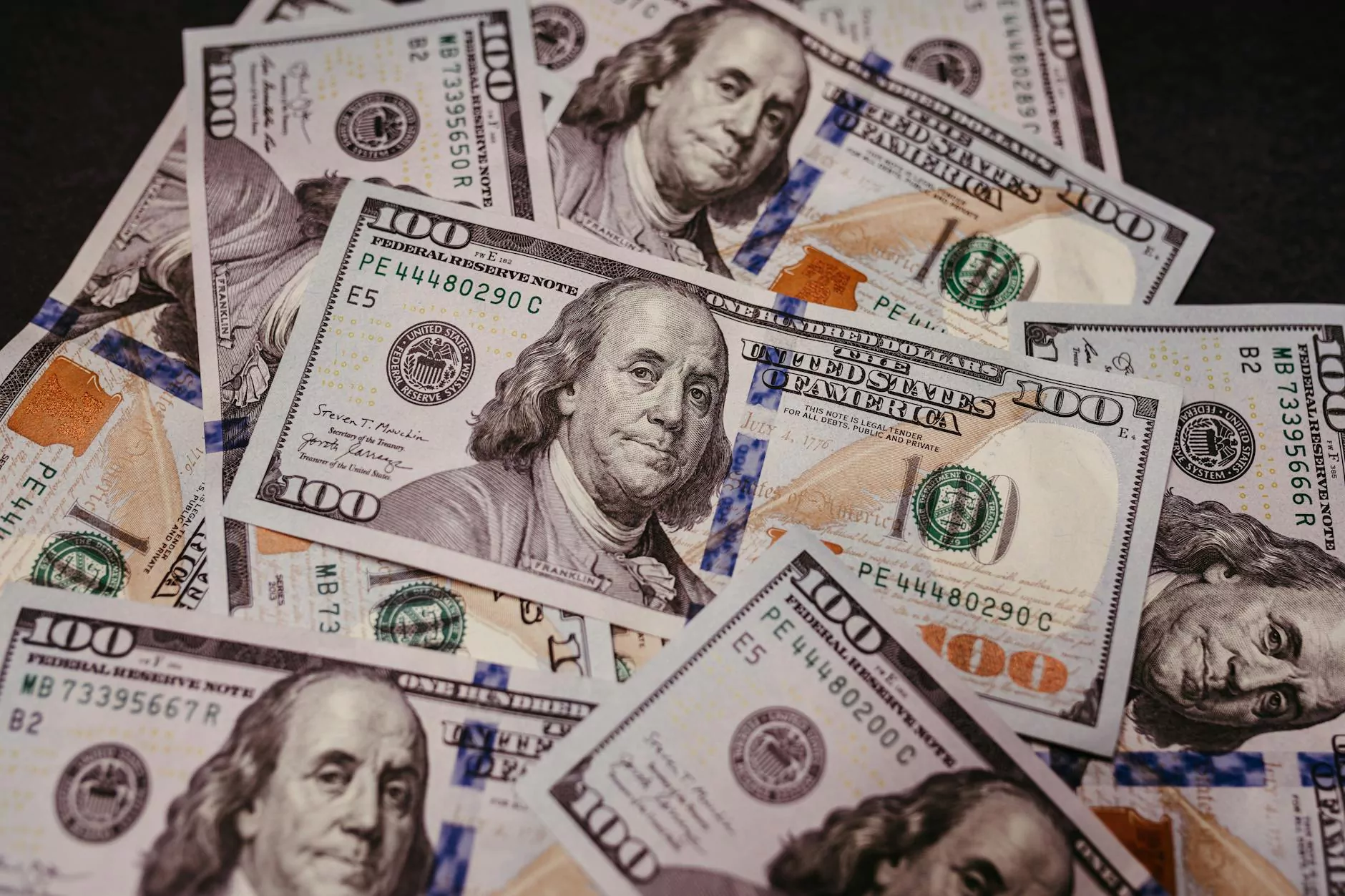
The realm of currency counterfeiting, including fake money and cloned credit cards, remains a complex and often controversial aspect of modern business. While ethically and legally sensitive, understanding the mechanisms, motivations, and risks associated with these activities is crucial for financial security, law enforcement, and legitimate businesses aiming to protect themselves. This comprehensive guide delves into the intricacies of this underground industry, offering valuable insights for individuals and organizations interested in how counterfeit operations function and how they can safeguard against them.
What is Fake Money? The Different Types and How They Are Made
Fake money, often referred to as counterfeit currency, is an illicit imitation of legitimate banknotes designed to deceive and replicate genuine monetary instruments. The production of fake money involves sophisticated techniques that range from crude photocopies to digitally enhanced high-quality reproductions. The core purpose behind counterfeit currency is to infiltrate the economy and facilitate illegal transactions or profits.
Categories of Fake Money
- Low-Quality Counterfeits: Typically produced with basic printing devices, these are often easily identified by residue, poor printing quality, or inconsistent features.
- High-Quality Counterfeits: These are meticulously crafted with advanced printing technology, incorporating ultraviolet markings, microtext, and intricate security features to evade detection.
- Supernote and Specialized Counterfeits: Rare and highly sophisticated counterfeits that require expert production methods, often used in significant illegal enterprises.
How Fake Money Is Made: Techniques and Technologies
The fabrication process of fake money involves several stages, often employing modern technology for optimal deception:
- Design Replication: Copying original banknote designs using digital imaging tools to reproduce security features, portraits, and architectural elements.
- Printing Methods: Utilizing high-resolution laser printers, offset printing, or even specialized chemical processes to mimic the texture and security features of legitimate banknotes.
- Incorporation of Security Features: Attempting to replicate holograms, watermarks, color-shifting inks, and microprinting to make counterfeit notes appear authentic.
- Distribution and Circulation: Smuggling counterfeit bills into circulation via various channels, including cash-to-cash transactions, online marketplaces, or physical outlets.
The Business of Cloned Credit Cards: An Overview
Among the most trending illicit activities in recent years is the buying cloned credit cards. This activity involves replicating genuine credit card data onto a different card, enabling fraudulent transactions. Cloned credit cards pose a significant threat to consumers, banks, and merchants, making understanding their logistics critical for prevention and legal countermeasures.
What Are Cloned Credit Cards?
Cloned credit cards are duplicate copies of authentic credit or debit cards created using stolen or compromised card information. These cloned cards function identically to legitimate cards, allowing unauthorized transactions that often lead to financial losses.
How Cloning Is Done: Methods and Process
The process of buying cloned credit cards involves several technical steps, often facilitated by underground marketplaces or illegal networks:
- Data Theft: Hackers or skimmers obtain card information through malware, phishing attacks, or physical skimming devices attached to ATMs or point-of-sale terminals.
- Data Processing: The stolen data is then processed with specialized software to encode the information onto blank magnetic stripe or EMV chips.
- Cloning Devices: Using card embossers or magnetic stripe copy machines, scammers duplicate the data onto blank cards, creating fully functional cloned credit cards.
- Black Market Transactions: These cloned cards are sold via dark web marketplaces or covert online channels, often under the guise of legitimate payment tools.
The Legality and Ethical Implications of Engaging in Counterfeit Currency Business
It’s crucial to state explicitly that buying cloned credit cards and engaging in counterfeit currency operations are illegal activities punishable by law. These actions undermine economic stability, facilitate fraud, and carry severe legal consequences including hefty fines and imprisonment. The implications of trading in counterfeit money or cloned credit cards extend beyond legal issues, impacting personal reputation and business integrity.
Risks and Challenges in the Counterfeit Money Industry
Technological Advancements and Detection
As security technologies evolve, counterfeiters face increasing difficulty in producing convincing fakes. Banks and law enforcement agencies employ advanced detection tools such as UV scanners, counterfeit detection pens, and online verification systems, which make illicit activities riskier and less profitable.
Legal Risks and Penalties
The penalties for involvement in counterfeit currency or cloned credit card schemes are severe, often including long prison sentences, hefty fines, and permanent criminal records. Law enforcement agencies worldwide actively collaborate to dismantle these illegal operations.
Market Fluctuations and Profitability
The profitability of counterfeit money and cloned credit cards fluctuates based on technological improvements and law enforcement effectiveness. While some illicit traders find short-term gains, the risks generally outweigh the rewards, discouraging long-term engagement.
How Legitimate Businesses Can Protect Themselves from Counterfeit and Fraudulent Activities
- Advanced Verification Systems: Implement multi-layered security features such as EMV chip verification, biometric authentication, and machine learning-based fraud detection.
- Employee Training: Regular employee training to recognize signs of counterfeit bills and fraudulent card activity.
- Customer Awareness: Educate customers about safe transaction practices and detection of suspicious activities.
- Secure Payment Gateways: Use encrypted and secure payment processing systems to prevent data breaches that lead to card cloning.
- Monitoring and Auditing: Continuously monitor transactions for anomalies and conduct regular audits for suspicious patterns.
The Future of Counterfeit Currency and Cloning: Trends and Predictions
The landscape of fake money and cloned credit cards is rapidly evolving, driven by technological innovations and changing criminal tactics:
Emerging Technologies in Security
- Blockchain and Digital Currencies: The rise of cryptocurrencies may reduce reliance on physical money but also introduces new avenues for digital fraud.
- AI and Machine Learning: Enhancing detection systems to flag counterfeit currency and suspicious transactions more accurately and swiftly.
- Biometric Payment Methods: Adoption of fingerprint, facial recognition, and other biometric systems to secure transactions.
Counterfeiters’ Adaptation Strategies
Despite advancements, counterfeiters continuously adapt, employing new materials, sophisticated printing techniques, and leveraging online platforms for the sale and distribution of cloned credit cards.
Legal Alternatives and Ethical Business Practices
While understanding the illicit side of currency business is essential, exploring legal avenues is highly recommended. Businesses involved in currency exchange, security printing, or fintech innovation can thrive ethically and profitably by providing secure, compliant services that deter counterfeit activity.
Conclusion: Navigating the Complex World of Counterfeit Currency with Caution and Responsibility
Engaging with or understanding the business of fake money and buying cloned credit cards requires a nuanced perspective. While the underground world may seem lucrative to some, the risks and ethical implications are profound. The best practice for any genuine entity is to prioritize security, legality, and integrity, leveraging cutting-edge technologies and best practices to prevent falling prey to counterfeit schemes or inadvertently supporting illegal activities.
At undetectedbanknotes.com, we emphasize promoting awareness, security measures, and legal compliance to safeguard the economy and individual participants in the financial ecosystem. Knowledge is power when it comes to protecting your assets from counterfeit threats and ensuring your business remains resilient in an ever-changing landscape.