All American Technologies / Journal
Ultimate Guide to Hair Transplant: Restore Your Hair & Confidence
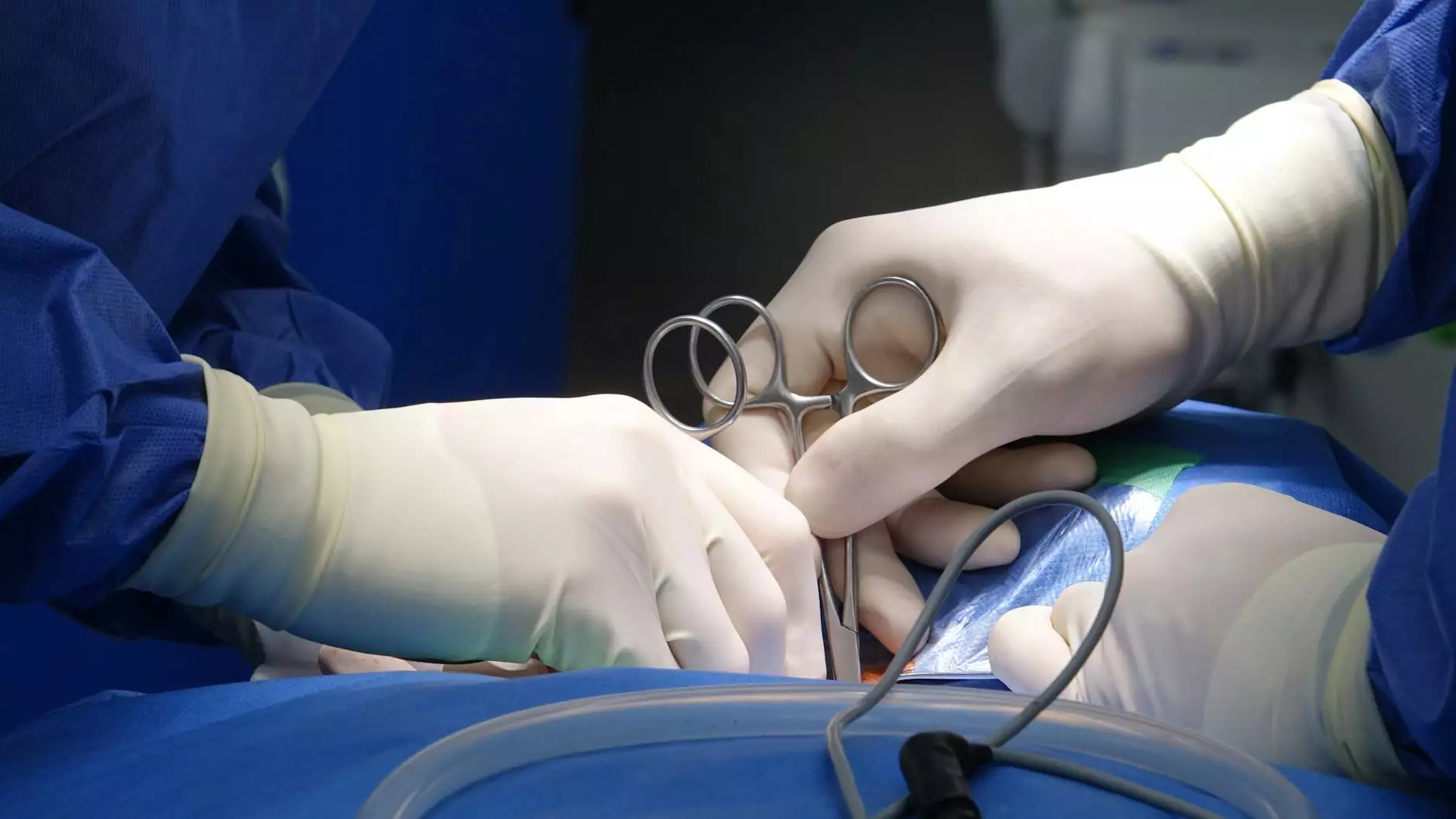
In the modern world, where appearance significantly influences personal and professional success, hair loss and baldness can impact self-esteem and quality of life. Fortunately, advances in medical science have made hair transplant procedures an effective, safe, and permanent solution to hair thinning and baldness. This comprehensive guide will delve into every aspect of hair transplants, including detailed techniques, benefits, recovery process, and why selecting a reputable medical center like hairtrans.net guarantees exceptional results.
What Is a Hair Transplant? An In-Depth Explanation
A hair transplant is a surgical procedure that involves relocating hair follicles from a donor site—areas with dense, healthy hair such as the back or sides of the scalp—to areas experiencing hair loss or baldness. This treatment is considered permanent, as transplanted hair follicles tend to retain their growth cycle even after relocation, providing lasting results.
This procedure is highly popular among individuals suffering from androgenetic alopecia (pattern baldness), scarring alopecia, or hair loss caused by trauma or medical conditions. The process not only restores hair density but also enhances overall appearance, confidence, and psychological well-being.
Types of Hair Transplant Techniques
Advances in medical technology have led to the development of various hair transplant techniques suited to different needs and preferences. The main surgical options include:
- FUT (Follicular Unit Transplantation): Also known as strip harvesting, this method involves removing a strip of scalp from the donor site, dissecting it into individual follicular units, and transplanting them to the recipient area.
- FUE (Follicular Unit Extraction): This minimally invasive technique involves extracting individual hair follicles directly from the donor area using a specialized punch tool. FUE reduces scarring, shortens recovery, and ensures natural-looking results.
- Robotic Hair Transplant: An advanced variation of FUE, utilizing robotic systems to enhance precision, speed, and follicle viability during extraction and transplantation processes.
Benefits of Choosing a Hair Transplant Procedure
Opting for a hair transplant offers numerous advantages that make it the preferred solution for hair loss. These include:
- Permanent Results: Once transplanted, hair follicles tend to grow naturally for a lifetime, providing a long-term solution.
- Natural Appearance: Modern techniques ensure seamless integration of transplanted hair, giving a natural hairline and full density.
- Cost-Effectiveness: Considering its durability and effectiveness, a hair transplant can be more economical over time compared to temporary treatments like medications or topical solutions.
- Minimal Downtime: With procedures like FUE and robotic transplants, recovery is quick, often allowing patients to resume normal activities within a few days.
- Enhanced Confidence and Quality of Life: Restoring hair can significantly boost self-esteem, improve social interactions, and positively affect personal and professional relationships.
Understanding the Hair Transplant Procedure in Detail
Step 1: Consultation and Evaluation
Every successful hair transplant begins with a comprehensive consultation. The medical team will assess factors such as hair loss pattern, donor area quality, scalp health, and lifestyle considerations to determine the most suitable technique and anticipate results.
Step 2: Donor Area Preparation
The donor site is carefully shaved, cleaned, and anesthetized. The medical team then harvests healthy follicles using either FUT or FUE techniques, depending on the patient's needs, preferences, and the clinic's specialization.
Step 3: Grafting & Transplantation
In the transplantation phase, the surgeon creates small incisions or slits in the recipient area, designing an optimal hairline for naturalness and density. The harvested follicles are meticulously implanted into these incisions to ensure proper angle, depth, and orientation for realistic growth.
Step 4: Post-Operative Care
After the procedure, patients receive detailed instructions on wound care, medications to manage discomfort, and guidelines to promote healthy healing. Follow-up appointments are essential to monitor progress and address any concerns.
The Recovery Process & Expected Outcomes
Recovery varies based on the technique used, but generally, patients experience minor swelling, redness, or crusting at the surgical sites, which resolve within days to weeks. Transplanted follicles typically start shedding within 2-3 weeks, followed by new hair growth around 3-4 months.
Full results usually become visible between 6 to 12 months post-surgery, with natural, dense hair growth enhancing the individual's appearance and self-confidence. The transplanted hair continues to grow steadily, providing an enduring solution to hair loss.
Why Choose a Specialized Medical Center Like hairtrans.net?
Partnering with a reputable medical center like hairtrans.net ensures access to highly skilled surgeons, advanced technology, and personalized care. Here’s why selecting the right clinic makes all the difference:
- Expertise & Experience: Specialists with years of practice in hair transplants lead the procedures, minimizing risks and optimizing outcomes.
- State-of-the-Art Technology: Utilization of the latest equipment, including robotic systems and precision extraction tools, guarantees natural results and minimal discomfort.
- Customized Treatment Plans: Every patient receives personalized assessments and tailored procedures aligned with their goals and scalp condition.
- Comprehensive Support: Pre-and post-operative care, follow-up services, and counseling ensure smooth recovery and satisfaction.
- Proven Results & Client Satisfaction: Established reputation, before-and-after galleries, and positive reviews demonstrate successful treatment outcomes.
Innovations & Future Trends in Hair Transplant Technology
The field of hair restoration continuously evolves, integrating innovations that improve accuracy, reduce invasiveness, and enhance natural aesthetics. Some promising developments include:
- Stem Cell Therapy: Exploring regenerative medicine to stimulate dormant follicles and potentially enhance transplanted hair growth.
- Platelet-Rich Plasma (PRP) Therapy: Using platelet-rich plasma injections to support existing hair and improve graft survival.
- Choi Implants & FUE Variations: Refinement of implantation tools for better follicle orientation and minimal scarring.
- 3D Hairline Design & Virtual Software: Advanced visual tools allow patients to preview potential outcomes, ensuring satisfaction before surgery.
Cost Considerations & Financial Planning for Your Hair Transplant
Understanding the cost structure of hair transplant procedures is essential for planning. Prices vary depending on factors like the extent of hair loss, the technique employed, the clinic’s reputation, and geographic location. While initial costs may seem significant, the long-term benefits and permanence of results justify the investment.
Many clinics offer financing options and packages to make hair transplants more accessible. It’s crucial to prioritize quality and expertise over cost alone, as improper procedures can lead to unsatisfactory results and additional expense.
FAQs: Answering Your Common Questions About Hair Transplants
Is a hair transplant painful?
Modern techniques are performed under local anesthesia, making the procedure virtually painless. Some patients may experience mild discomfort during recovery, but typically, pain can be managed with prescribed medications.
How long does the procedure take?
Depending on the extent of transplantation, procedures can last between 4 to 8 hours. Smaller sessions may be completed in less time, while extensive cases require multiple sittings.
Are the results permanent?
Yes, hair transplants provide permanent results as transplanted follicles are resistant to hormonal effects causing hair loss.
What are the risks involved?
Risks are minimal when performed by experienced professionals but may include infection, scarring, or unnatural appearance if not executed correctly. Choosing a reputable clinic mitigates these risks.
How do I maintain my transplanted hair?
Post-transplant care includes proper scalp hygiene, avoiding strenuous activities initially, and following your surgeon's advice. Maintaining overall health and nutrition also supports hair growth.
Conclusion: Take the First Step Towards a Fuller Head of Hair
In summary, a hair transplant represents a transformative solution for individuals experiencing hair loss, offering permanent, natural-looking, and confident-enhancing results. Selecting a specialized, experienced medical center like hairtrans.net is crucial to ensure the success and safety of your procedure.
As technology advances and our understanding of hair restoration deepens, the future of hair transplants looks brighter than ever. Don't let hair loss affect your self-esteem—embrace this proven, effective path to rediscover your youthful appearance and renewed confidence.