All American Technologies / Journal
Understanding Air Freight Rates Per Pound: The Ultimate Guide for Businesses
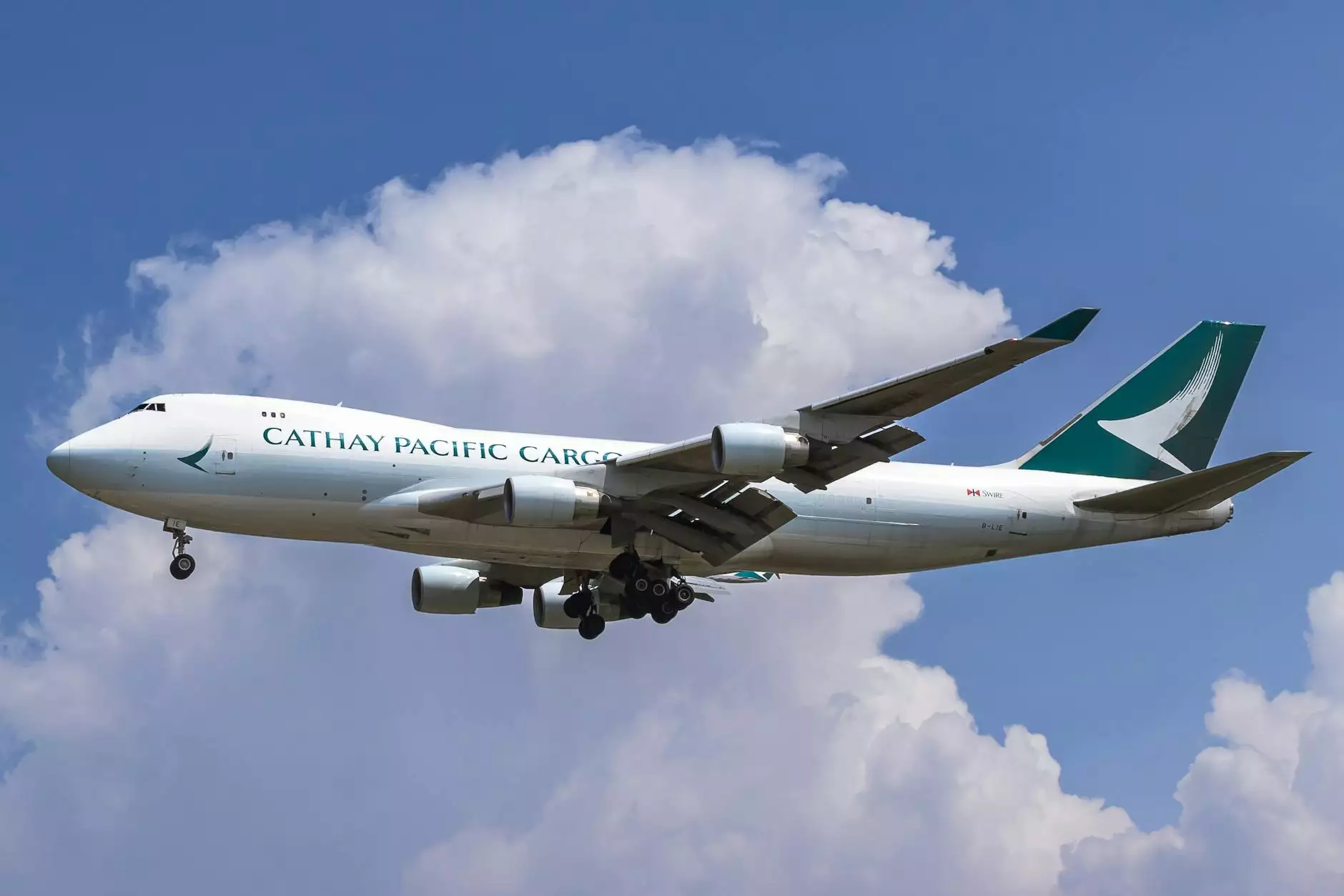
In the dynamic world of global commerce, air freight remains a vital component for businesses that require rapid, reliable, and efficient shipping solutions. One critical aspect that influences logistics planning and cost management is the air freight rates per pound. This comprehensive guide delves into the nuances of air freight pricing, helping companies optimize their shipping strategies, reduce costs, and stay competitive in the international marketplace.
What Are Air Freight Rates Per Pound?
Air freight rates per pound refer to the cost charged by airlines or freight carriers for transporting one pound of cargo. These rates are calculated based on various factors, including weight, volume, destination, and the type of goods shipped. Understanding how these rates are determined is essential for businesses aiming to budget effectively and select the most economical shipping options.
The Importance of Air Freight Rates Per Pound in Business Logistics
When managing supply chains, especially for perishable items, high-value electronics, or time-sensitive shipments, air freight offers unparalleled speed. However, the costs associated with air shipping can significantly impact profitability. By analyzing and understanding air freight rates per pound, businesses can:
- Optimize shipping costs by choosing appropriate routes and carriers.
- Enhance inventory planning with cost-effective freight solutions.
- Improve profit margins through better rate negotiations.
- Reduce transit times by selecting carriers with favorable rates and schedules.
Factors Influencing Air Freight Rates Per Pound
Numerous variables impact the air freight rates per pound, and understanding these can help businesses anticipate costs better:
1. Weight and Volume
While the primary basis is weight, many airlines use volumetric weight calculations to determine charges, especially for lightweight but large-volume shipments. If the volumetric weight exceeds actual weight, the higher figure is used in pricing.
2. Destination and Distance
Longer routes or destinations at remote airports generally incur higher rates. The proximity to major cargo hubs can also influence costs, with shipments originating or terminating at centrally located airports often being more economical.
3. Type of Goods
High-value, fragile, or hazardous materials typically carry higher freight rates due to the additional handling and safety requirements.
4. Current Market Conditions
Supply and demand dynamics, fuel prices, and seasonal peaks (such as holiday seasons or produce harvests) can lead to rate fluctuations.
5. Carrier and Service Level
Premium carriers or expedited services command higher rates, whereas economy options may offer more competitive pricing.
Understanding the Cost Structure of Air Freight Rates Per Pound
The air freight rates per pound are not fixed; rather, they are composed of various components that collectively determine the final cost:
- Base Rate: The foundational cost based on weight and route.
- Surcharge Fees: Additional fees for fuel, security, handling, and airport charges.
- Fuel Surcharges: Dynamic charges adjusted according to fuel prices, often a significant part of the rate.
- Seasonal Variations: Rates tend to spike during peak seasons due to increased demand.
Maximizing Cost Efficiency with Cargo Booking Platforms
Leveraging advanced cargo booking platforms such as cargobooking.aero allows businesses to compare air freight rates per pound across multiple carriers and routes swiftly. These platforms provide:
- Real-time rate comparisons from various airlines and freight providers.
- Transparent fee structures to facilitate accurate budgeting.
- Streamlined booking processes reducing lead times and administrative burdens.
- Access to negotiated rates through partnerships with air freight carriers.
Strategies to Reduce Air Freight Rates Per Pound
Business owners and logistics managers should adopt strategic practices to minimize costs associated with air freight rates per pound:
- Consolidate Shipments: Combining multiple smaller shipments into a single larger consignment reduces per-pound costs.
- Optimize Packaging: Use lightweight, space-efficient packaging to lower volumetric weight charges.
- Plan Ahead: Advanced booking and planning can mitigate last-minute premium charges.
- Negotiate with Carriers: Building long-term relationships can lead to better rates and preferential treatment.
- Choose Appropriate Routes: Selecting routes with lower surcharges and favorable tariffs can significantly cut costs.
- Utilize Technology: Modern booking tools enable dynamic rate shopping, ensuring the best rates are secured.
Air Freight Rates Per Pound Across Different Regions
Understanding regional variations is essential for global businesses. For example:
- North America: Competitive rates due to dense networks and high airline capacity, though peak seasons can elevate costs.
- Asia-Pacific: Rapid growth in air freight demand, often leading to fluctuating rates based on trade activity.
- Europe: Well-established infrastructure and competitive rates; however, congestion at major hubs can impact pricing.
- Emerging Markets: Limited infrastructure sometimes leads to higher air freight rates per pound, but opportunities for strategic shipping are increasing.
The Future of Air Freight Rates Per Pound: Trends and Innovations
The logistics industry is continually evolving, influenced by advancements in technology, sustainability initiatives, and shifting market demands. Notable trends include:
- Green Initiatives: Carbon-neutral shipping options may come with premium charges but will likely balance out through efficiencies.
- Digital Transformation: AI-powered rate prediction and dynamic pricing models are making air freight rates per pound more transparent and competitive.
- Infrastructure Expansion: Investment in airports and logistics hubs aims to reduce transit times and costs over the coming decade.
- Enhanced Security and Handling: Innovations in cargo security can influence surcharge fees and rate structures.
Partnering with Reputable Air Cargo Providers
Working with established and reliable shipping centers, airports, and transportation providers is crucial for cost-effective and secure cargo movement. Platforms like cargobooking.aero facilitate connections with top-tier logistics partners that value transparency and efficiency.
Conclusion: Making Informed Decisions on Air Freight Rates Per Pound
Mastering the complexities of air freight rates per pound empowers businesses to navigate the intricate landscape of international shipping. By understanding what influences these rates, how to optimize bookings through platforms, and adopting strategic practices, companies can dramatically reduce costs and improve service quality.
In today’s competitive global environment, leveraging technology and building strong relationships with reputable freight providers are key strategies to succeed. As the demand for rapid and efficient shipping continues to grow, staying informed about trends and best practices in air freight rates per pound becomes more vital than ever for sustained business growth.
For tailored solutions and seamless booking experiences, explore cargobooking.aero, the premier platform for managing air freight logistics with maximum efficiency and transparency.